
Ismaïl Bahri
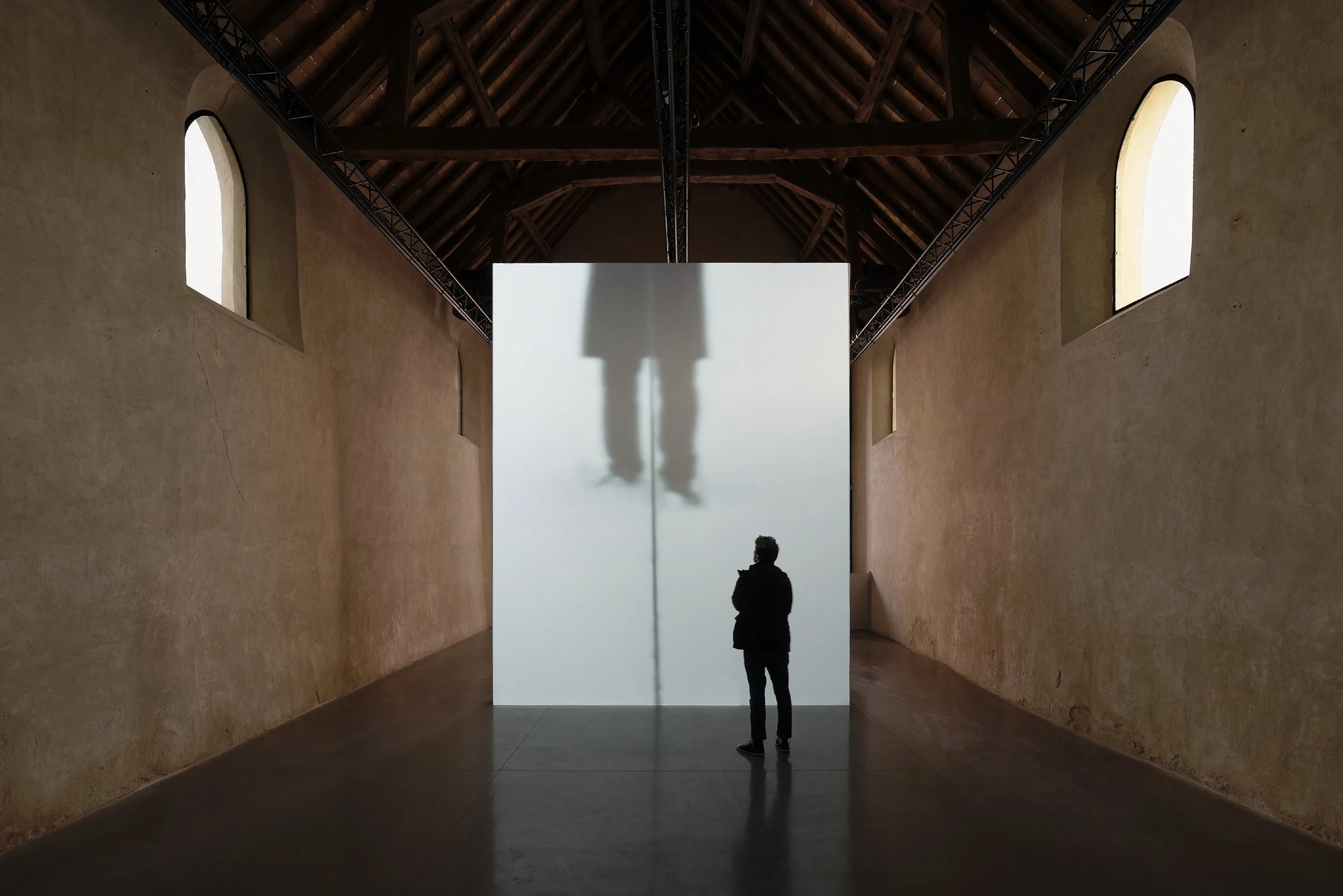
© Aurélien Mole
Ismaïl Bahri’s practice moves between film, drawing, sculpture and installation, with each medium informing and extending the others. Having grown up in Tunis, he later settled in Paris, where he pursued a PhD. He works and thinks from these two locations, producing works both within the enclosed space of the studio and outdoors, in direct contact with natural elements. Attentive to phenomena in their nascent state, his gaze turns towards the micro-events of reality: those that unfold at the periphery of vision, in the unseen or the off-screen. Subtle reactions to breath, variations in light across a surface, the transition from solid to soft, from stillness to movement — his filmed observations invite viewers to slow down and attune themselves to different temporalities: those of matter in transformation, of an impending resolution or potential accident, or those revealed through the repetition of a gesture. In Bahri’s work, the camera, as an optical and acoustic instrument, simultaneously reveals and withdraws the image. The political dimension of his practice emerges quietly, like a narrative that fades almost as soon as it appears: sometimes through the force of a hand manipulating images, sometimes through the sudden intrusion of sounds from Tunisia’s political context.
Interested in pre-cinema and its various technical devices, Bahri brings images into being through simple gestures and experimental processes. In Foyer (2016), where the camera lens is partially obscured by a sheet of white paper, the film unfolds primarily through its sound composition and chromatic variations. Reality intrudes unpredictably, carried by currents of air. In Orientations (2010), the reflection of the surrounding environment in a hand-held cup of black ink becomes the artist’s sole point of view as he moves through the city, capturing its smallest details, movements and undulations.
Sculpture offers another way of recording places. His Films series evokes cinematic reels, resulting from repetitive gestures of unrolling and winding adhesive tape directly onto the ground. Both a form of measurement and an imprint, this process collects the mineralogical characteristics of an immediate environment, transforming them into a topographical memory.
Within his studio-laboratory, Bahri explores other ways of bringing images into view through experiments that he develops and puts to the test over several months. In the Revers series (2017), the artist repeatedly crumples a magazine page through a succession of recurring movements, gradually erasing its image as coloured pigments transfer onto his hands. In Source (2016), he observes a sheet of paper burning from within, revealing a perfect symmetry whose appearance seems mysterious. In Ligne (2011), the pulse is made visible through a drop of water placed on his arm, revealing its subtle pulsations. Through his attention to the most elementary phenomena of life and their imperceptible manifestations, the underlying physical mechanisms of reality emerge with poetic clarity, along with their inherent unpredictability.
For Bahri, conceiving an exhibition is an act of carefully constructing relationships between the artworks, the exhibition space and the surrounding landscape. In Rewind at Le Creux de l’Enfer in Thiers (2026), he imagined a passage from chaos to legibility, moving from the building’s underground spaces towards the light-filled areas of the former factory. In Tokyo, he transformed the glass building of the Hermès Maison Ginza into an optical apparatus that gradually reveals or conceals the outside world (2019). Finally, in Instruments, his first retrospective at the Jeu de Paume in Paris (2017), the exhibition unfolded through a gradual expansion, moving from the intimate towards the outside world.
Works
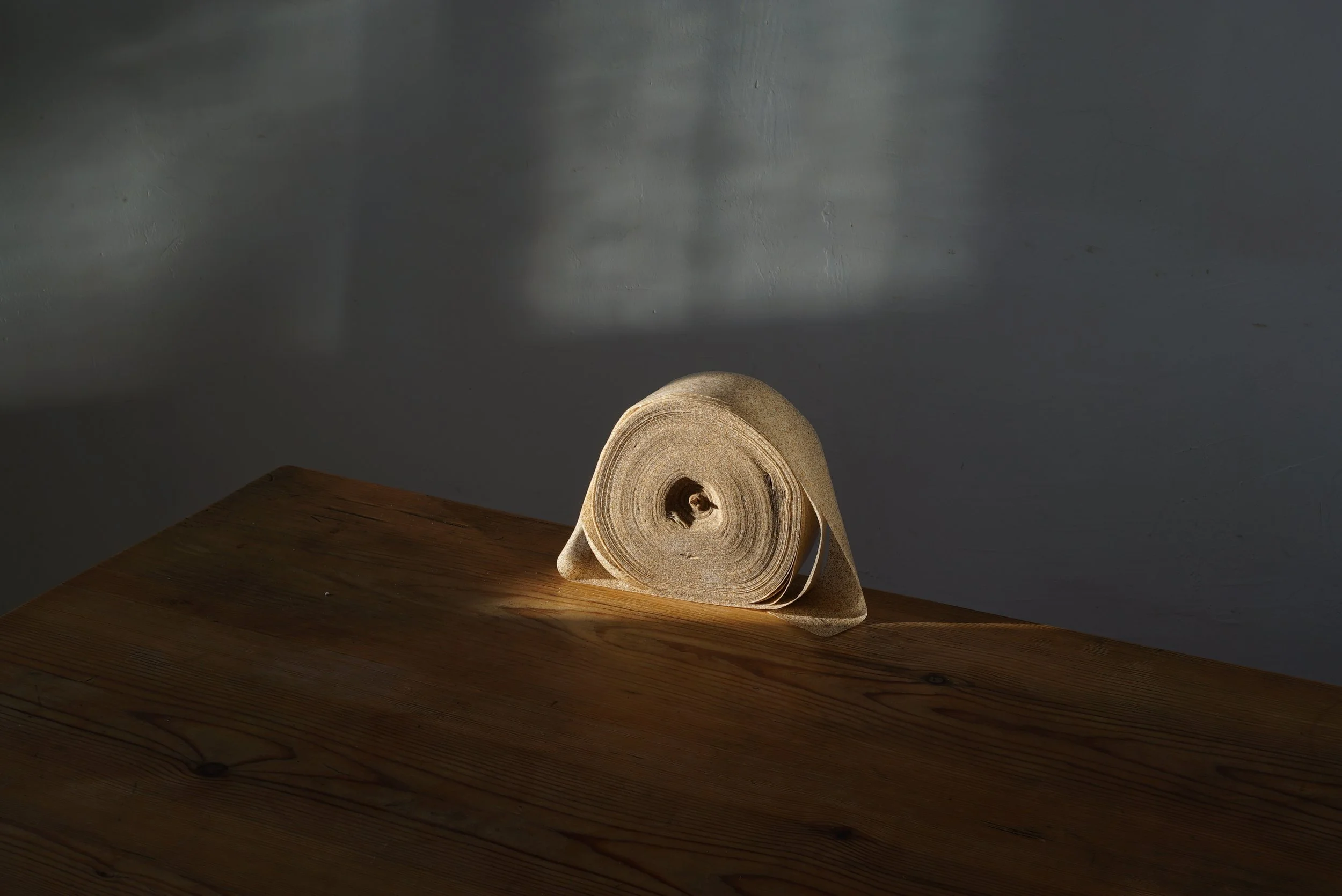
Series "Films", 2018-ongoing
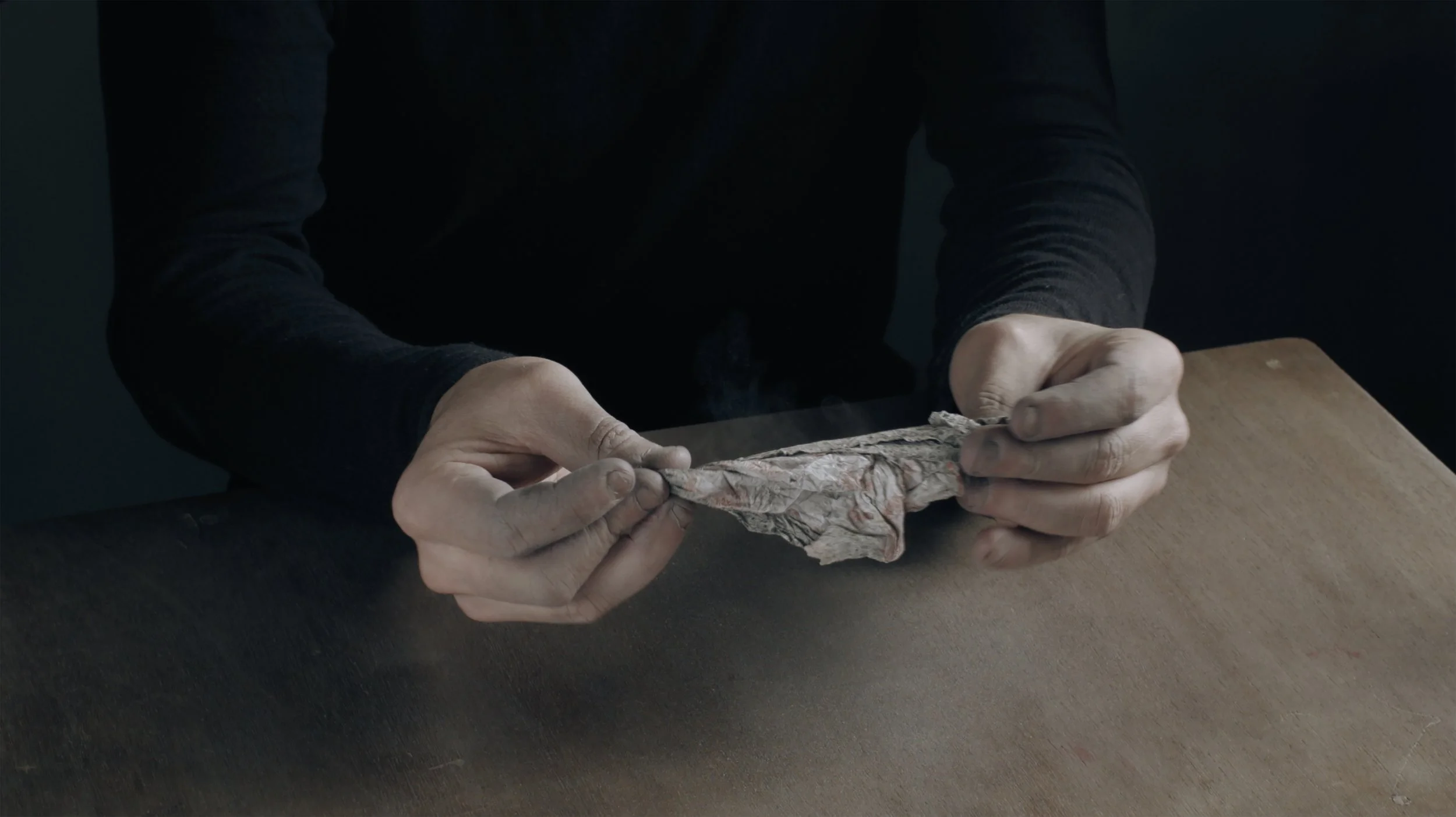
Ismaïl Bahri, Revers, 2016
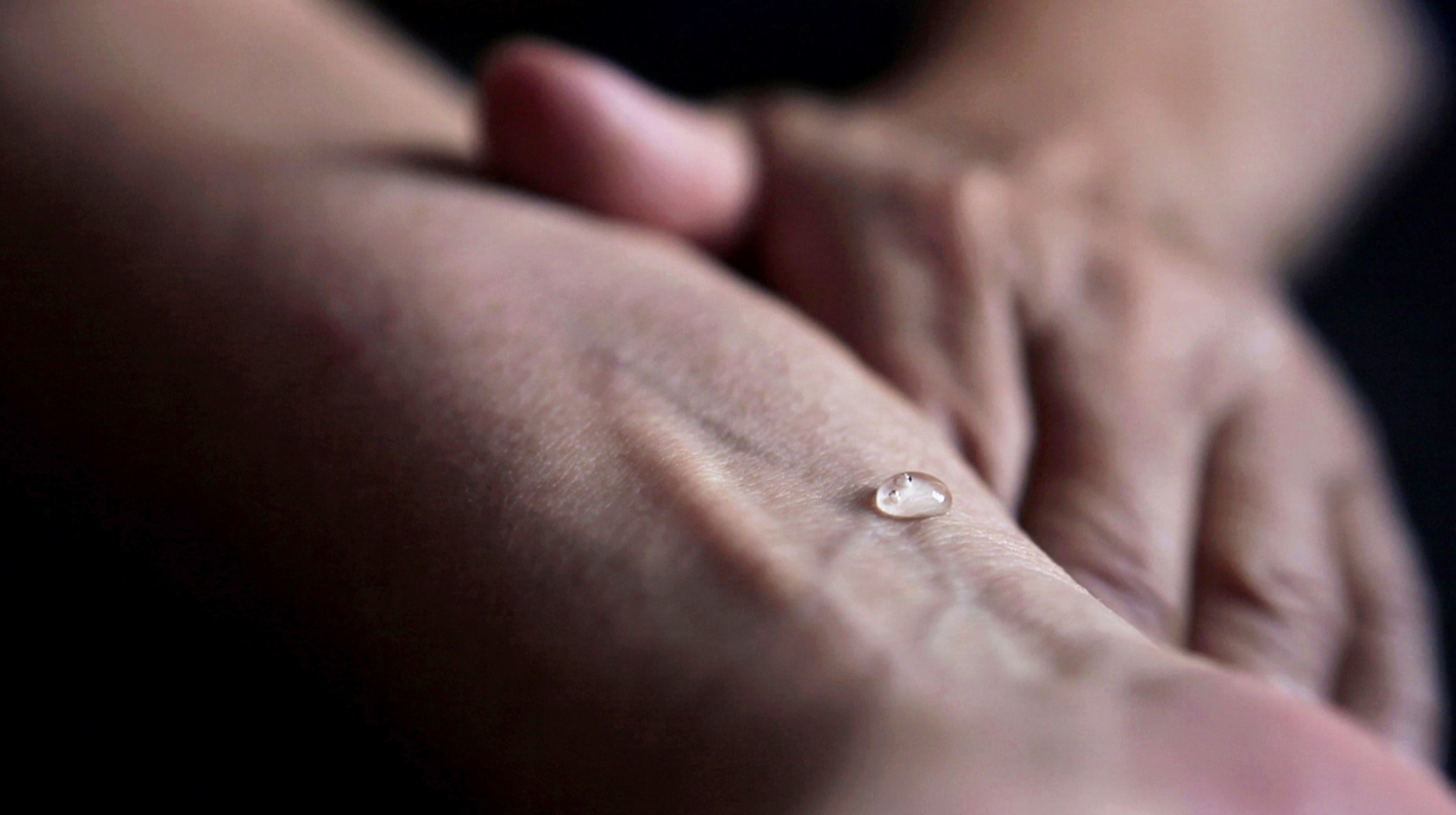
Ismaïl Bahri, Ligne, 2011
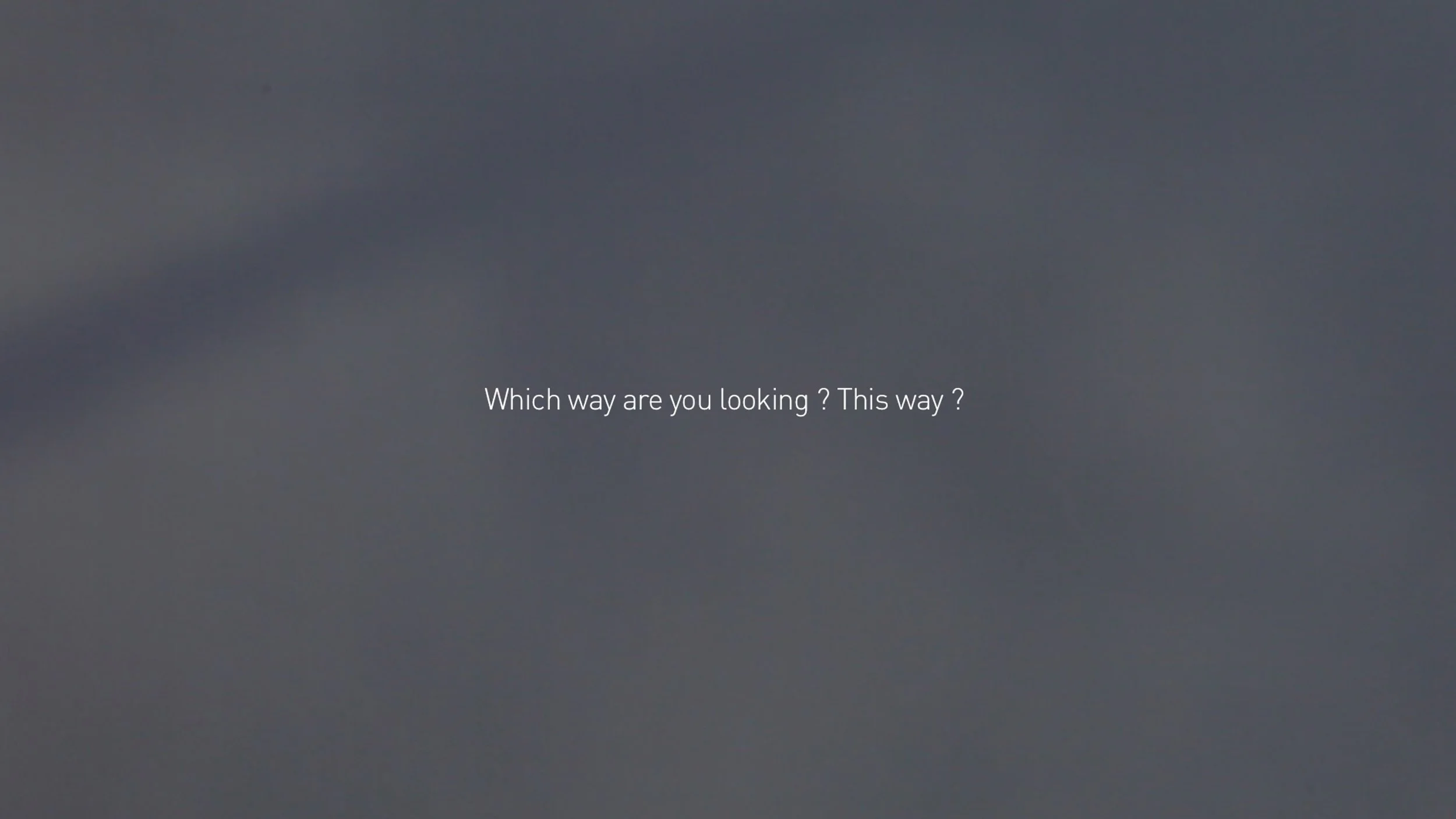
Ismaïl Bahri, Foyer, 2016
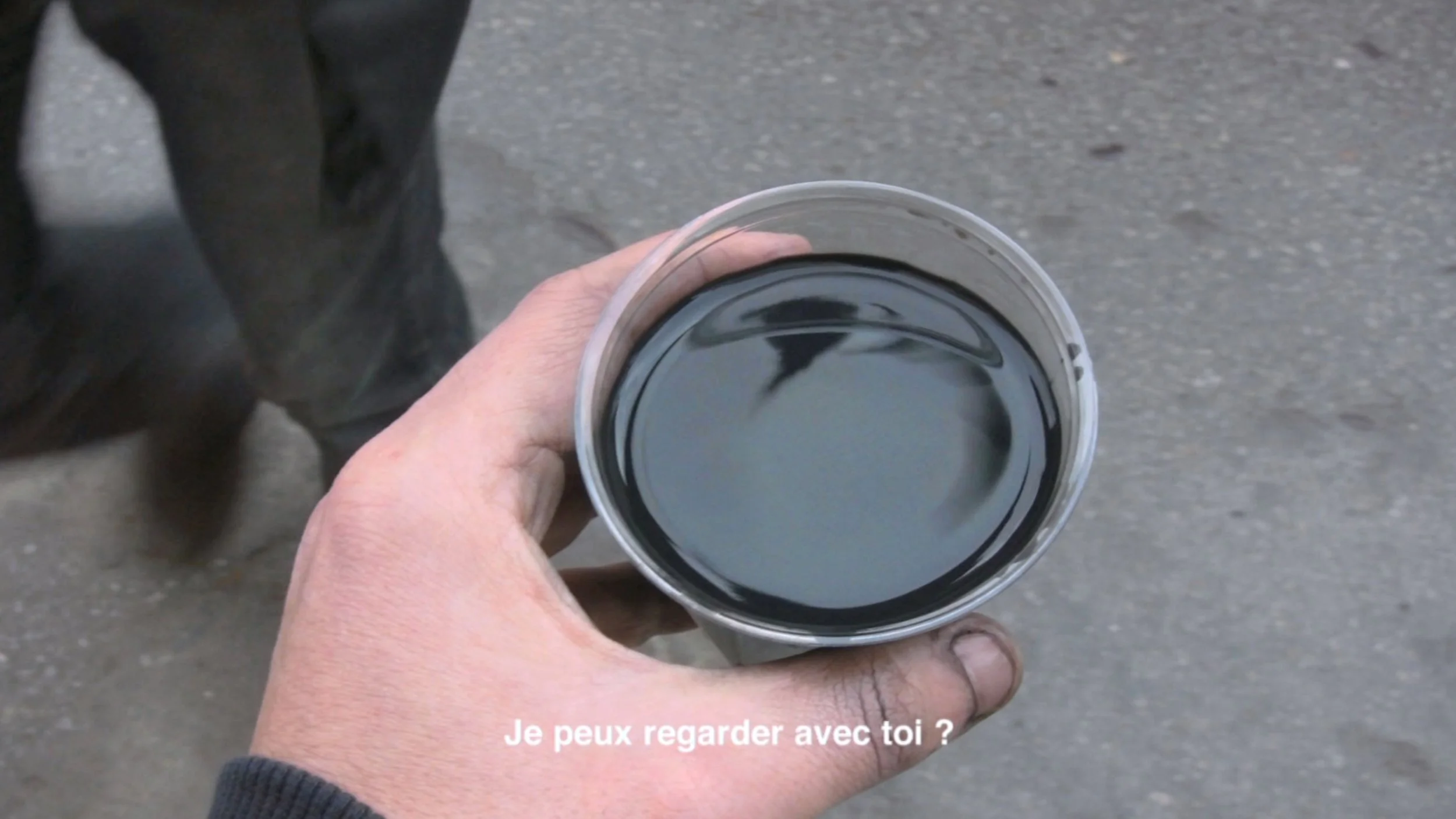
Ismaïl Bahri, Orientations, 2010
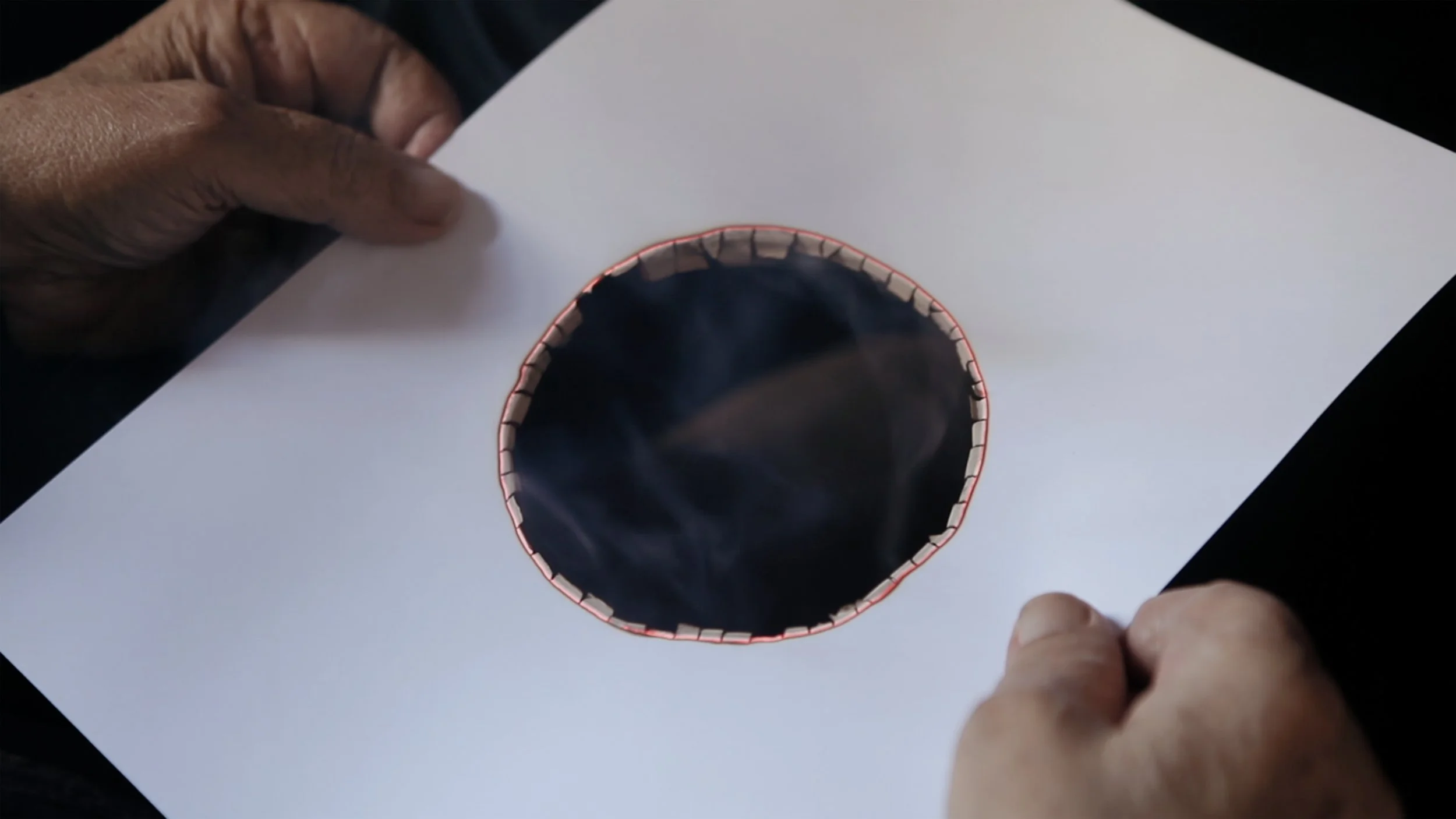
Ismaïl Bahri, Source, 2016
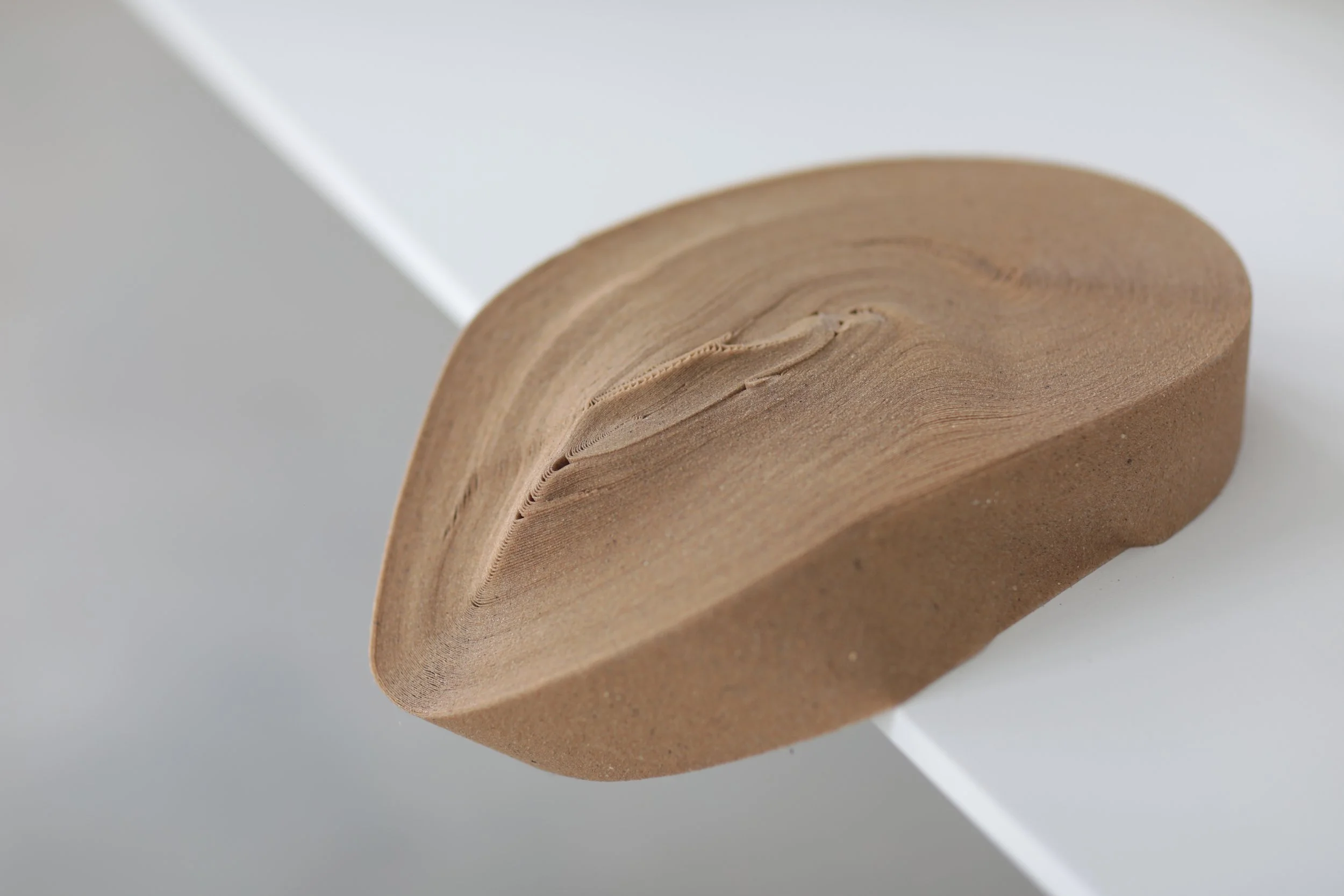
Series "Films", 2018-ongoing
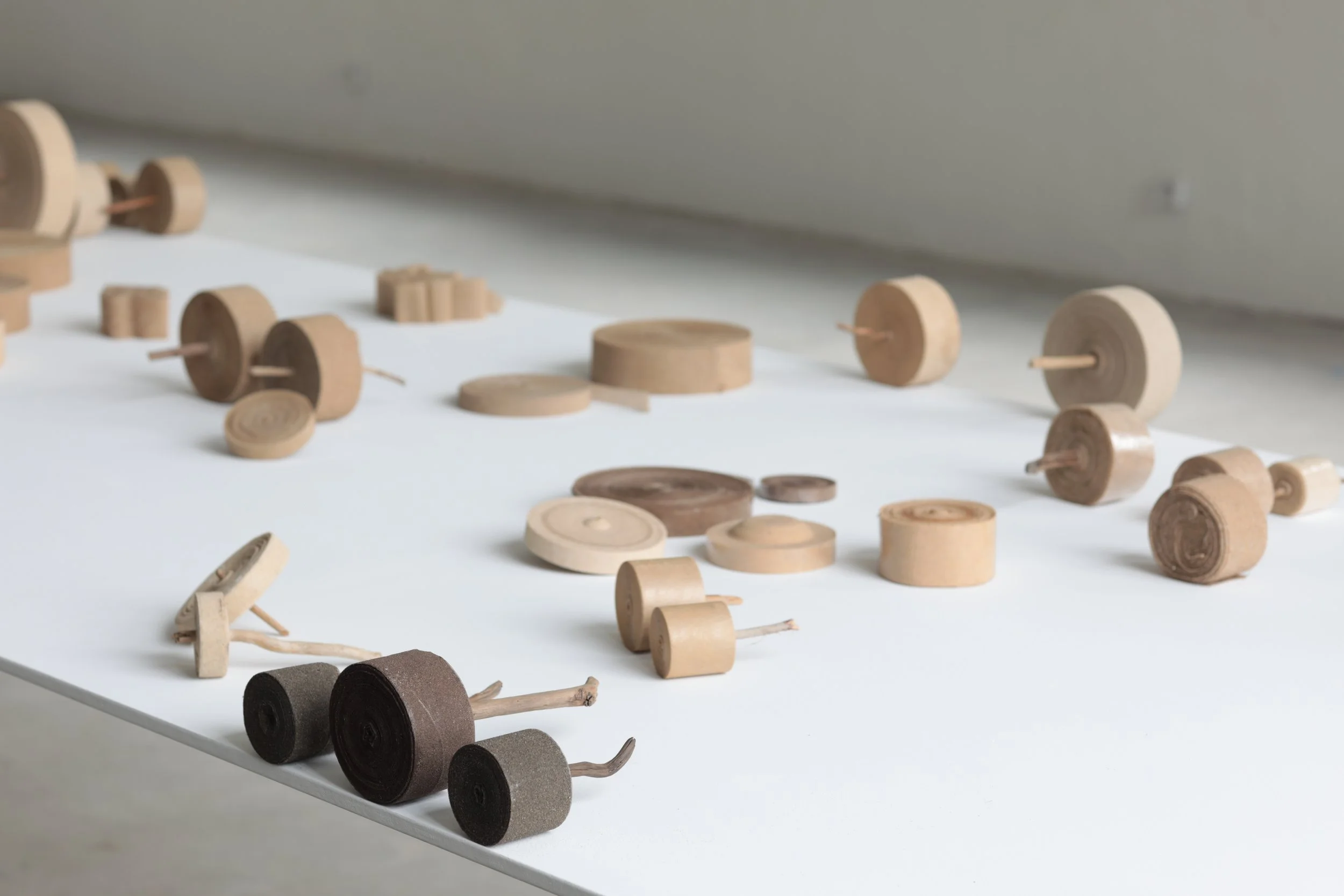
Series "Films", 2018-ongoing
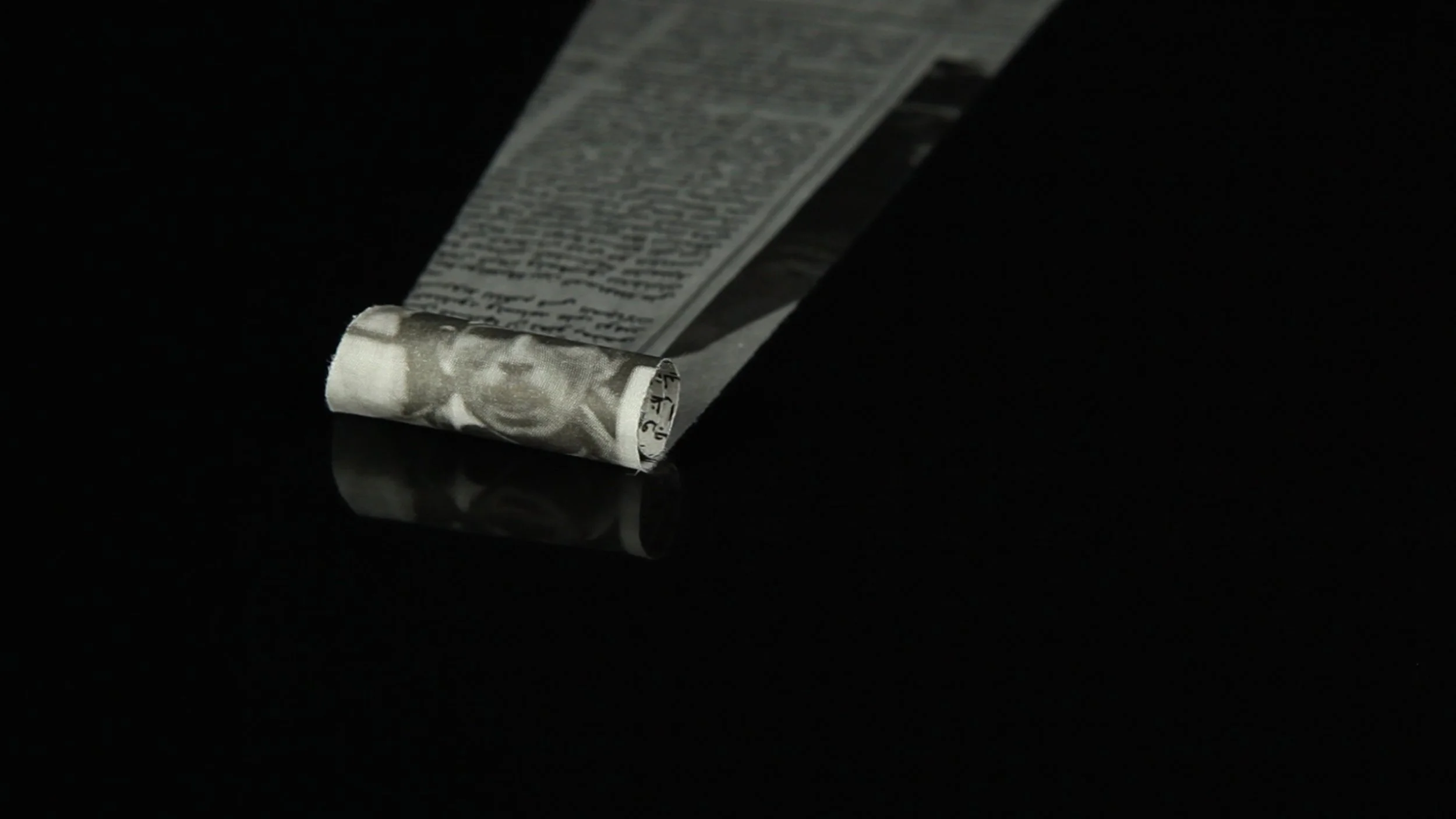
Ismaïl Bahri, Film, 2012
Biography
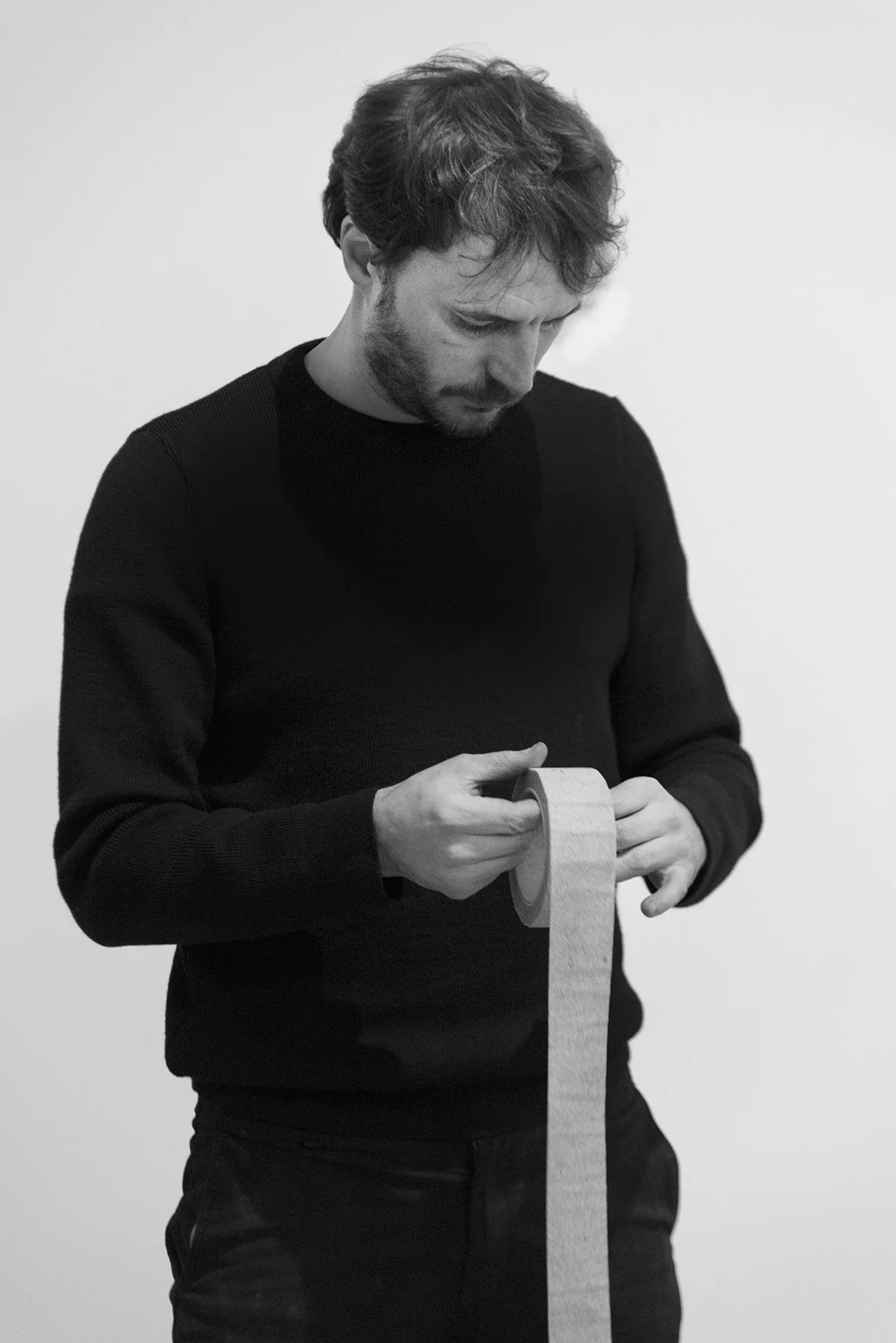
© Isabelle Arthuis
Ismaïl Bahri is a Franco-Tunisian-Swiss artist, born in 1978 in Tunis, Tunisia, and based between Paris and Tunis. He studied at the École des Beaux-Arts in Tunis, before obtaining a PhD in visual arts from the University of Paris 1 Panthéon-Sorbonne. Alongside this, he is a senior lecturer at the University of Paris VIII–Vincennes Saint-Denis. Ismaïl Bahri positions himself as an observer and sets up installations that enable him to capture gestures and conduct empirical experiments, paying close attention to "what happens".
He had numerous solo exhibitions such as 'Rewind', Le Creux de l’Enfer, Thiers, France (2026); 'Films', Grey Noise Gallery, Dubai, UAE (2022); 'Digital', La Boîte, Tunis, Tunisia (2022); 'Sans titre', Selma Feriani Gallery, Tunis, Tunisia (2021); 'Invisible Concern', Le Forum, Hermès Foundation, Tokyo, Japan (2019); 'Kusunoki', Nijō-jō, Kyoto, Japan (2019); 'Des gestes à peine déposés dans un paysage agité', La Verrière, Brussels, Belgium (2018); 'Instrumentos', Centro Cultural Porto Seguro, São Paulo, Brazil (2018); 'Ce qui demeure', Selma Feriani Gallery, Tunis, Tunisia (2017); 'Instruments', Jeu de Paume, Concorde, Paris, France (2017); 'Blank Film', Les Filles du Calvaire Gallery, Paris, France (2015); 'Sondes', Les Églises Contemporary Art Center, Chelles, France (2014); 'Sommeils', Espace Khiasma, Les Lilas, France (2014); 'Aflora', Alliance Française, Bogotá, Colombia (2014).
He participated in numerous selected collective exhibitions such as 'Anti-fragilité: arts de réparation et stratégies de contrecoup', 15th Dakar Biennale, Dakar, Senegal (2026); 'Soleil Noir', Villa Medici, Rome, Italy (2026); 'Loss Marginalia', Qattan Foundation, Ramallah, Palestine (2026); 'The Interludes and Transitions', Diriyah Biennale, Jeddah, Saudi Arabia (2026); 'L’Envol des sirènes', Octave Cowbell, Metz, France (2026); 'Pierre et mer mêlées', MAC Bahia, Salvador, Brazil (2025); 'Là où la mer sépare, là où les images relient', Museu de Arte Contemporânea da Paraná, Brazil (2025); 'Sympnea', Selebe Yoon, Dakar, Senegal (2025); 'A Più Voci', Villa Medici – French Academy in Rome, Italy (2024); 'Video from Dream City', Kanal – Centre Pompidou, Brussels, Belgium (2024); 'Le Tour du monde en quatre-vingts jours', CAPC Musée d’art contemporain de Bordeaux, Bordeaux, France (2021); 'With a Hint of Adventure', Musée d’Art Contemporain de Lyon, Lyon, France (2021); 'Mediterraner', La Friche Belle de Mai, Marseille, France (2021); 'Sans réserve', MAC VAL Museum, Vitry-sur-Seine, France (2017); 'Sharjah Biennial', Sharjah, UAE (2017); 'Be Aware, Record', FMAC, Geneva, Switzerland (2017); 'Uprisings', Jeu de Paume, Paris, France (2016); 'Incorporated!', Ateliers de Rennes – La Criée, Rennes, France (2016); 'Là où commence le jour', LaM – Lille Métropole Musée d’art moderne, France (2015); 'Rencontres de Bamako', Bamako, Mali (2015); 'Benin Biennial', Centre Kora, Cotonou, Benin (2012); 'Neue Kunst aus Frankreich', Staatliche Kunsthalle Karlsruhe, Germany (2011); and 'Frontières', Calouste Gulbenkian Foundation, Lisbon, Portugal (2011).
He participated in many residencies, such as at Selebe Yoon, Dakar, Senegal; Villa Medici , Rome, Italy (Fellow, 2023–2024); and Cité internationale des arts, Paris, France (August 2010–December 2011). His work is part of private and public collections, including Centre Pompidou, Paris, France; IAC – Institut d’art contemporain, Villeurbanne, France; MAC VAL Museum, Vitry-sur-Seine, France; FRAC Lorraine, France; FRAC Grand Large, France; Caldic Collectie, Netherlands; CNAP – Centre National des Arts Plastiques, Paris, France; Lazaar Foundation, London, United Kingdom; Artothèque d’Angers, France; Artothèque du Limousin, France; Collection de la Ville de Lyon, France; and Département de Seine-Saint-Denis, France.
Exhibitions
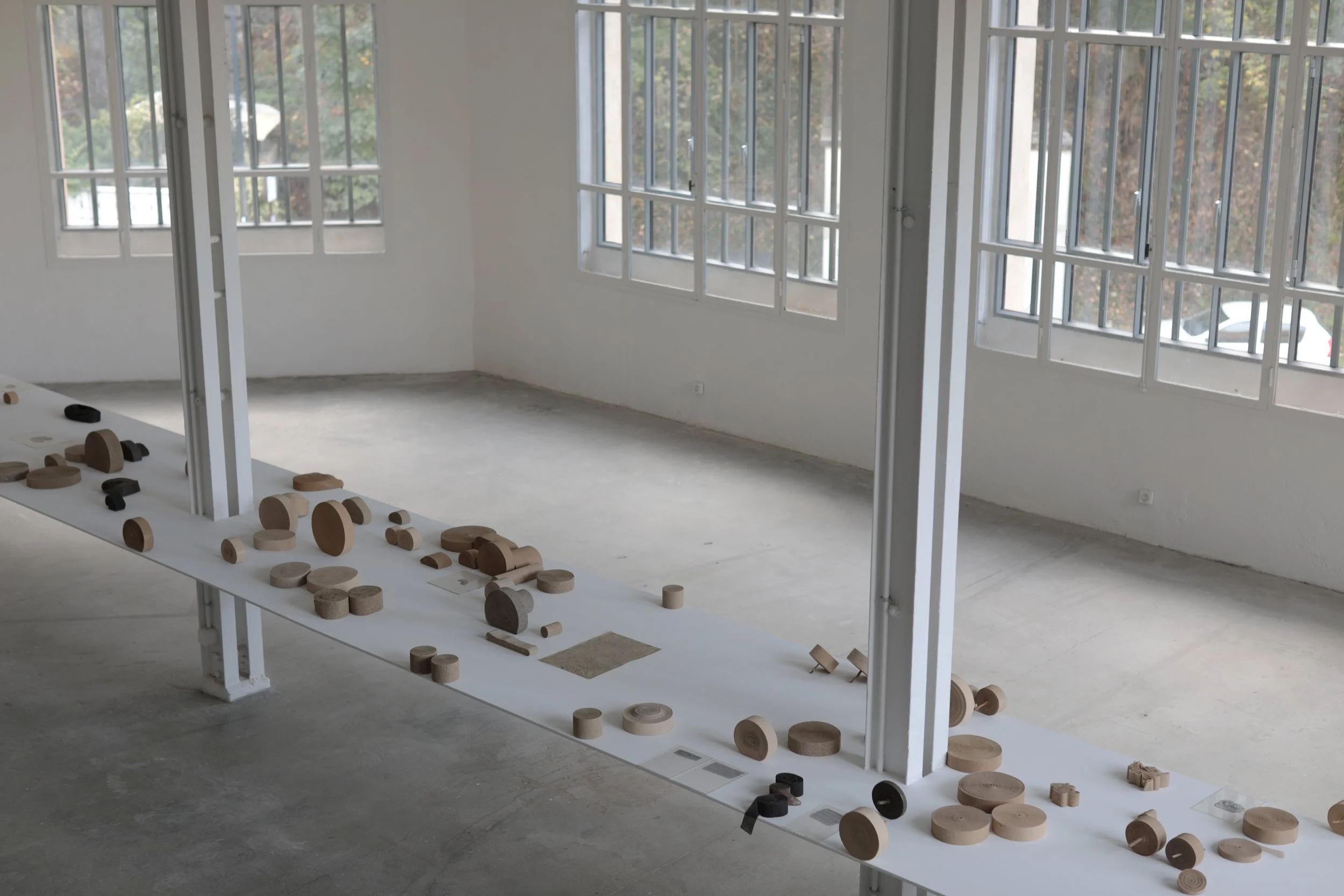
Rewind, Creux de l'Enfer, Thiers, France, 2026
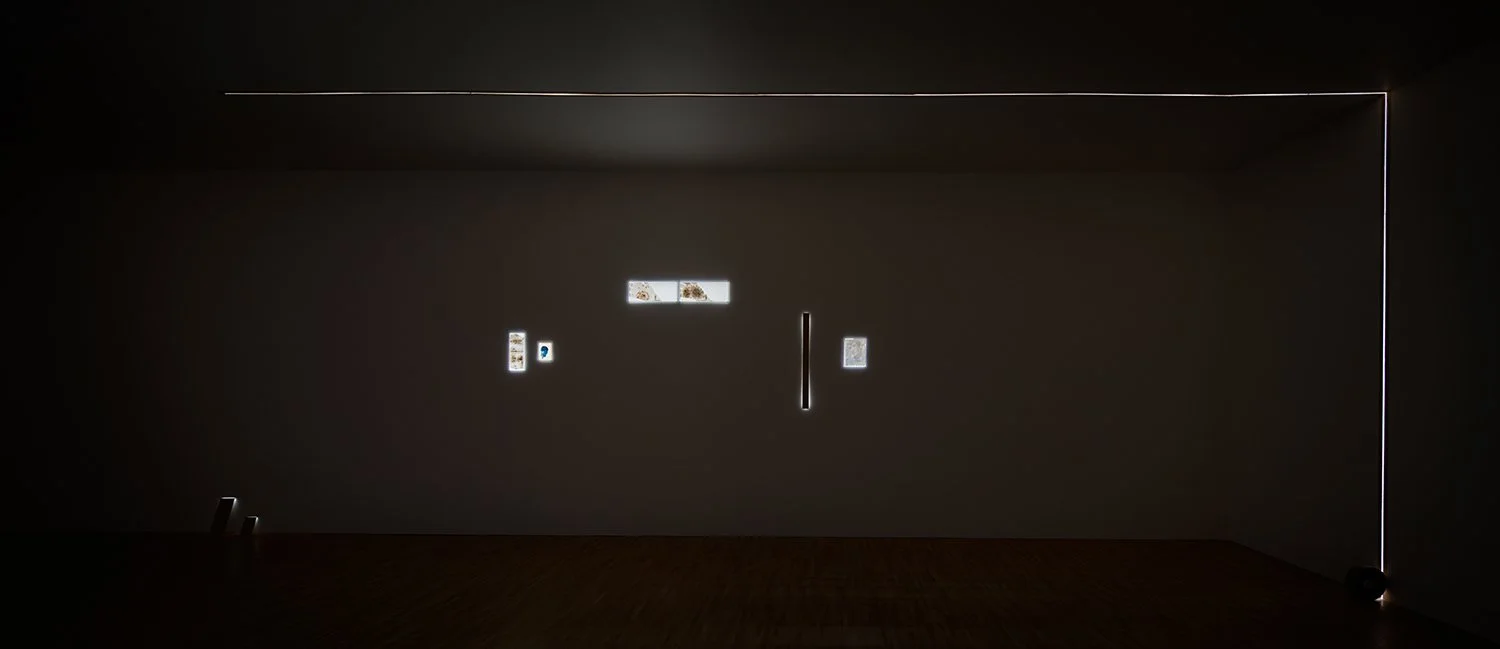
Invisible Concern, Le Forum, Hermès Foundation, Tokyo, Japan, 2019
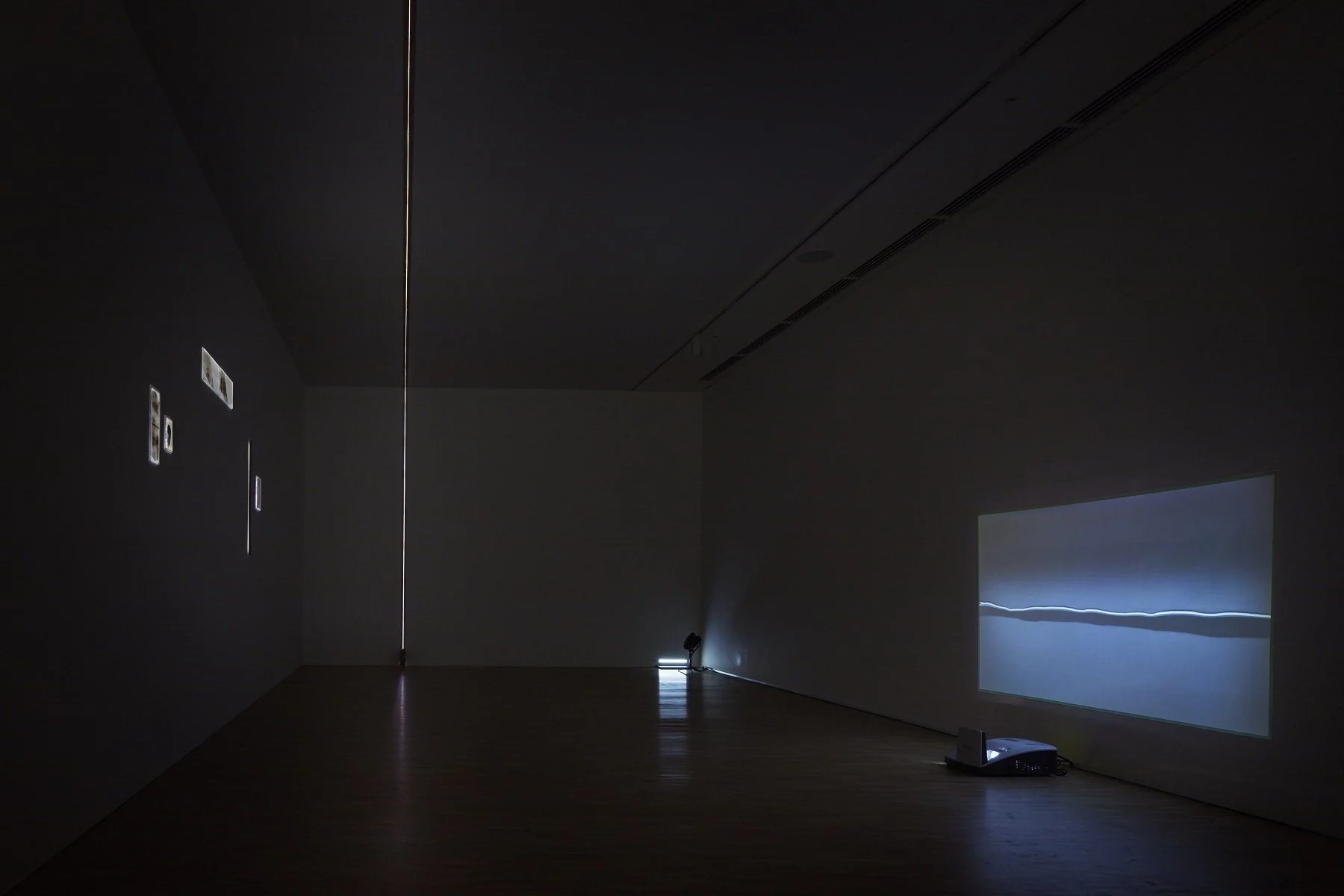
Invisible Concern, Le Forum, Hermès Foundation, Tokyo, Japan, 2019
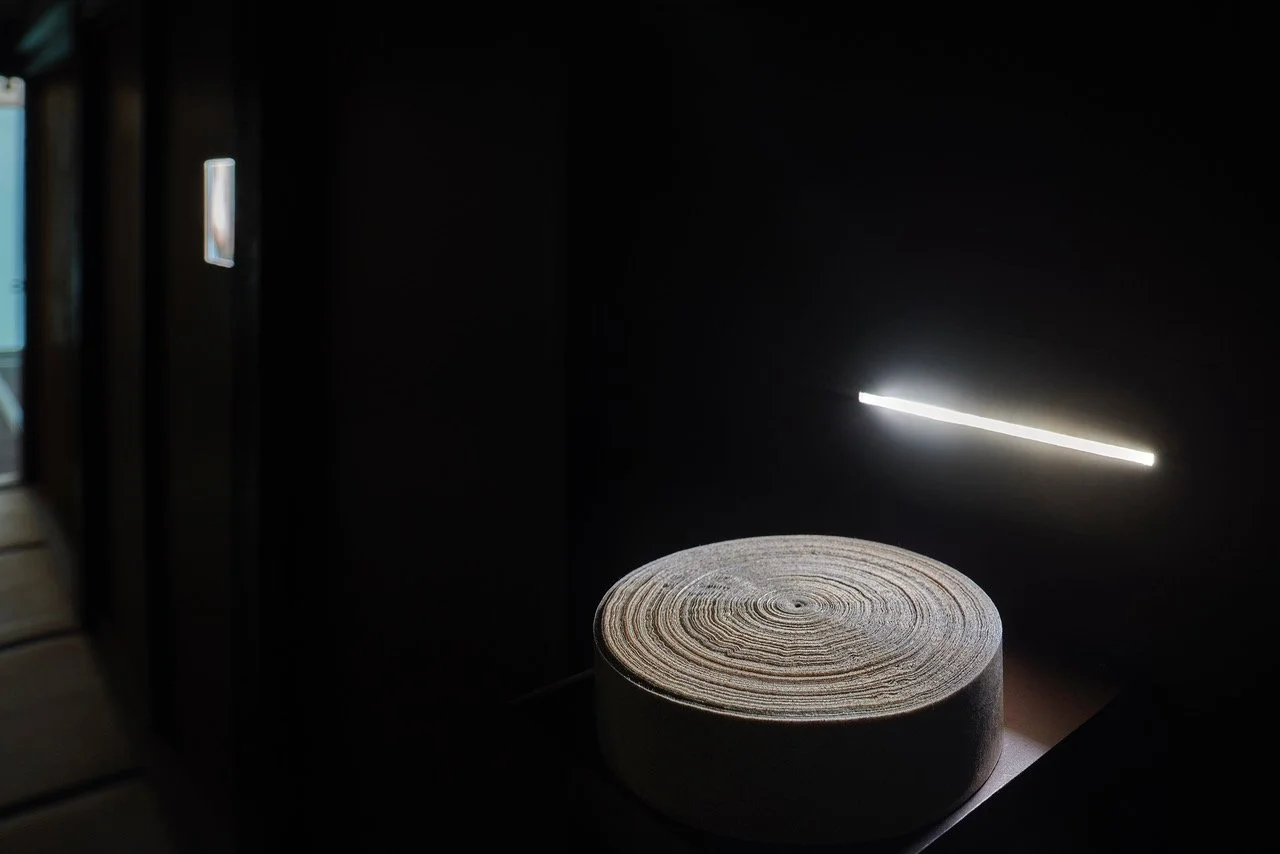
Kusunoki, Nijō-jō, Kyoto, Japan, 2019
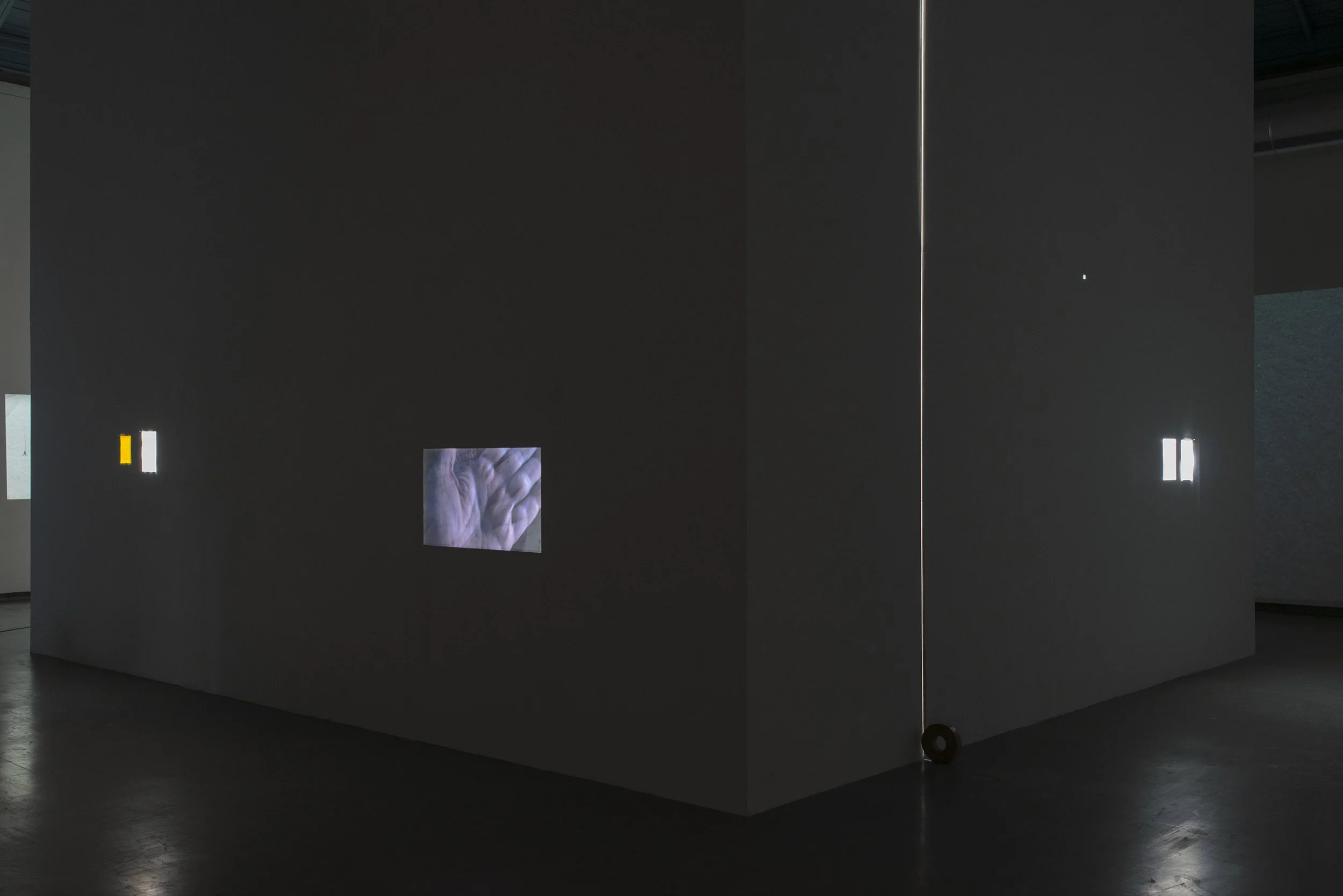
Des gestes à peine déposés dans un paysage agité, La Verrière, Brussels, Belgium, 2018
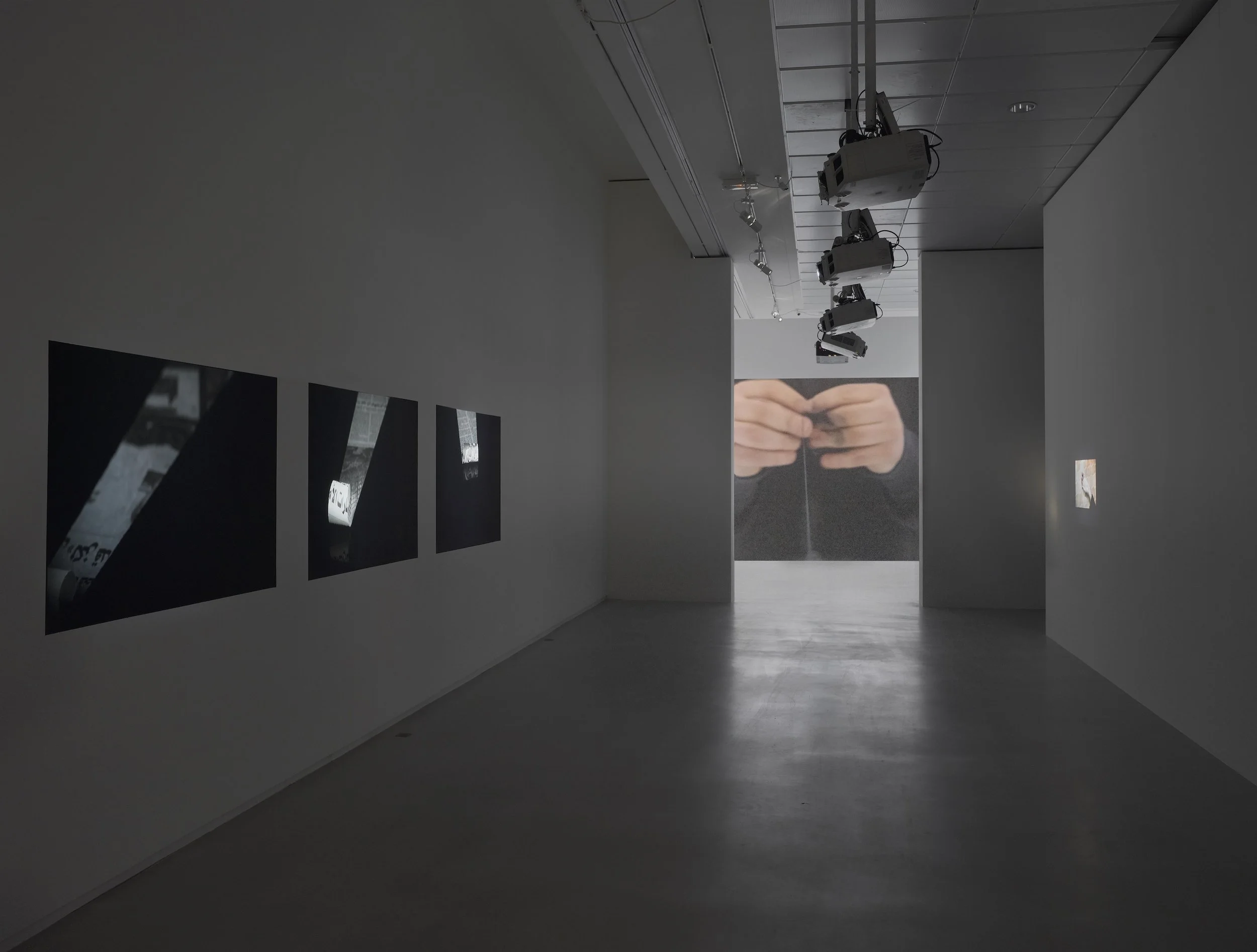
Instruments, Jeu de Paume, Paris, France, 2017
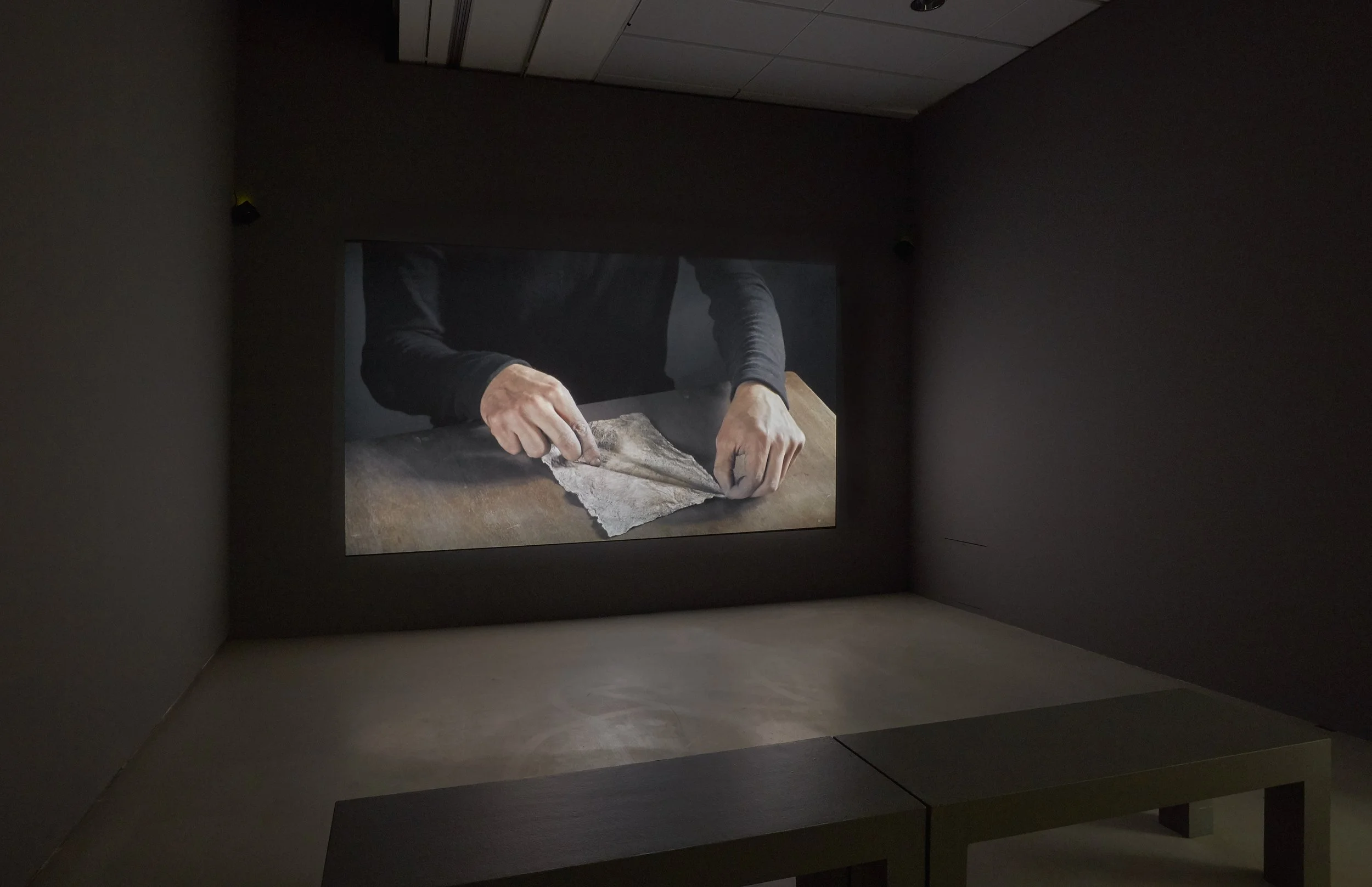
Instruments, Jeu de Paume, Paris, France, 2017
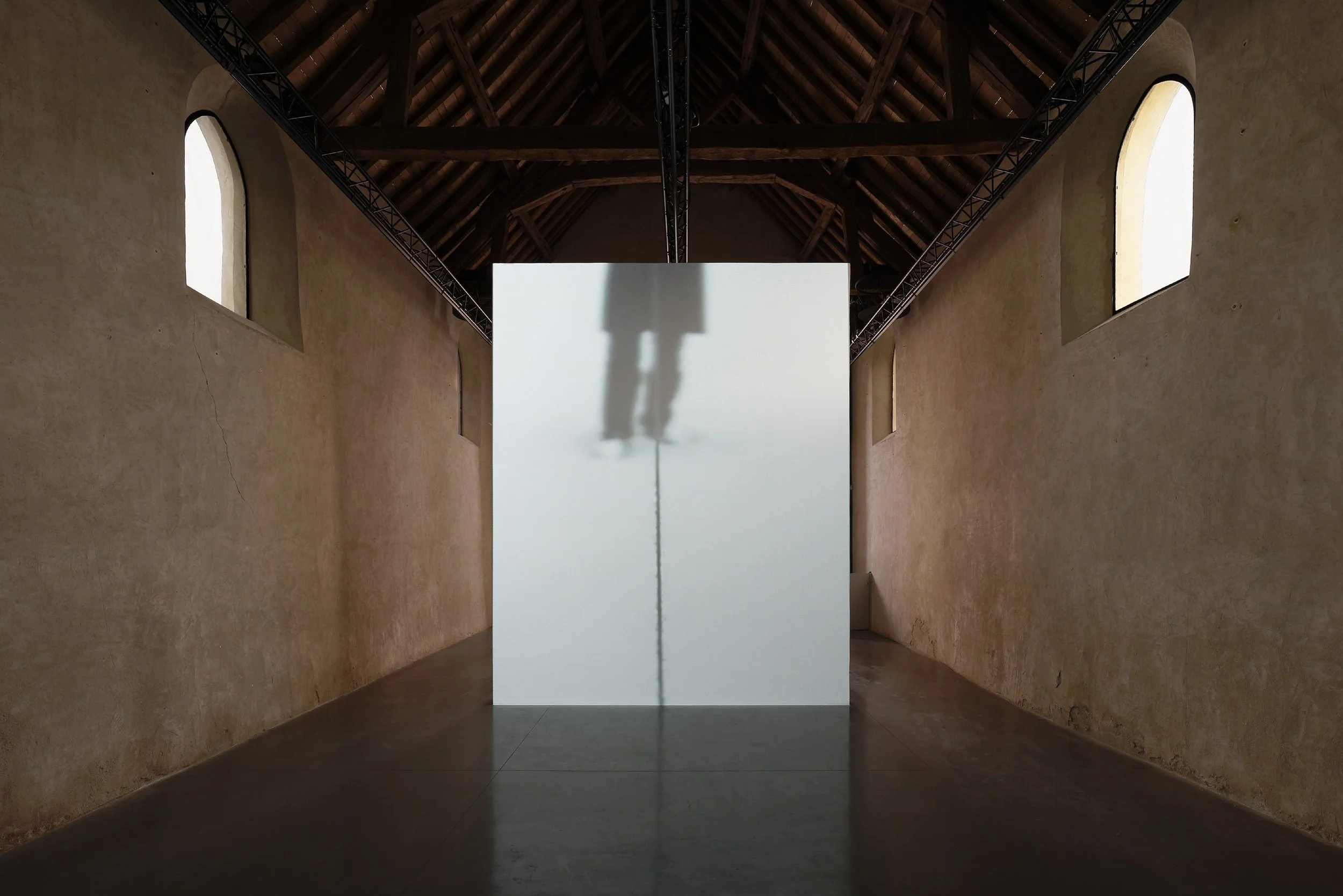
Sondes, Les Églises Contemporary Art Center, Chelles, France, 2014
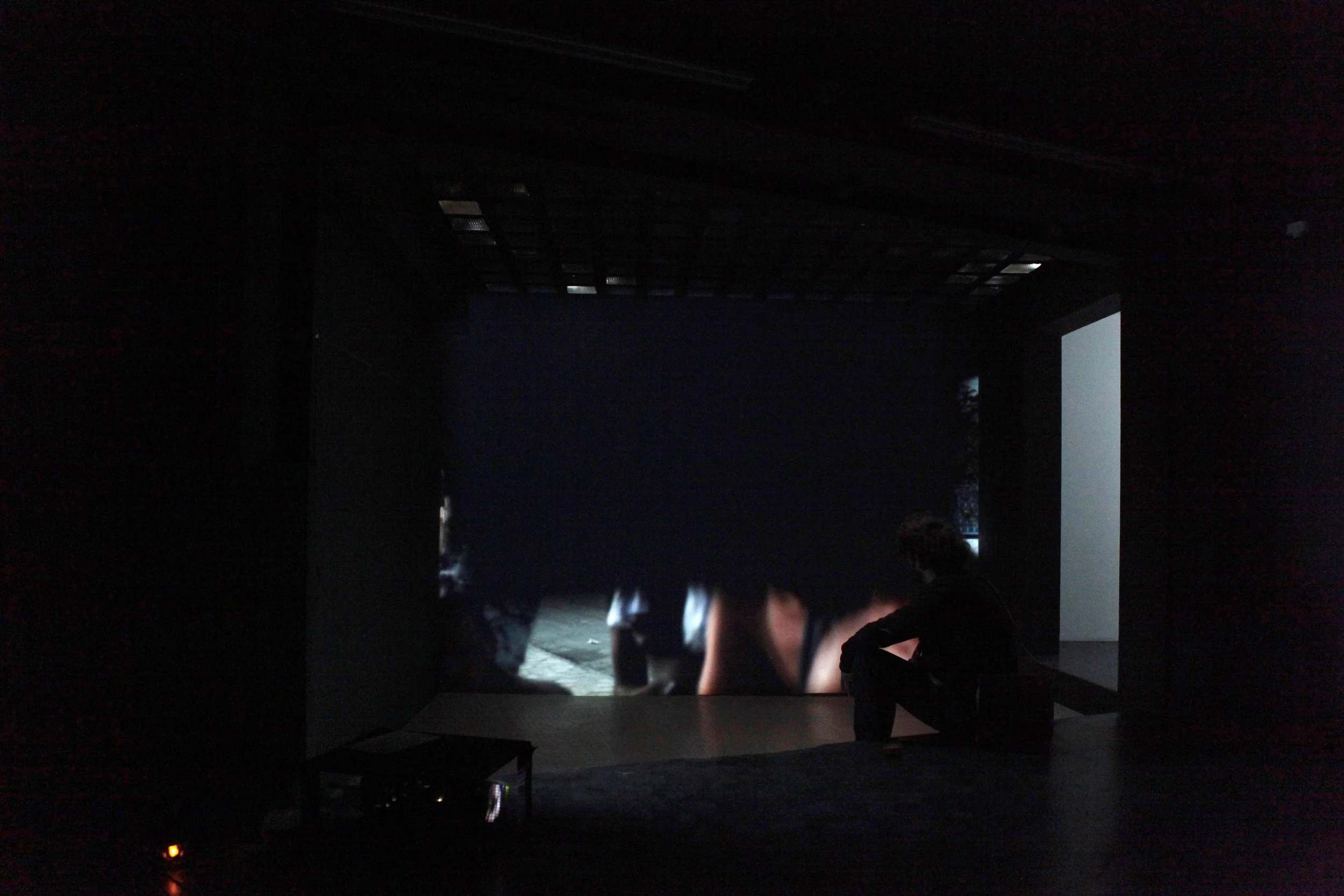
Sommeils, Espace Khiasma, Les Lilas, France, 2014