#2 Districts and Memories: Com-plot-er Dakar
Conversation with Germaine Acogny (choreographer), Viyé Diba (artist) and Prof. Abdoulaye Elimane Kane (philosopher). Moderated by Vydia Tamby (cultural advisor to the Mayor of Dakar & co-founder of Editions Vives Voix)
Event date: May 7th, 5pm
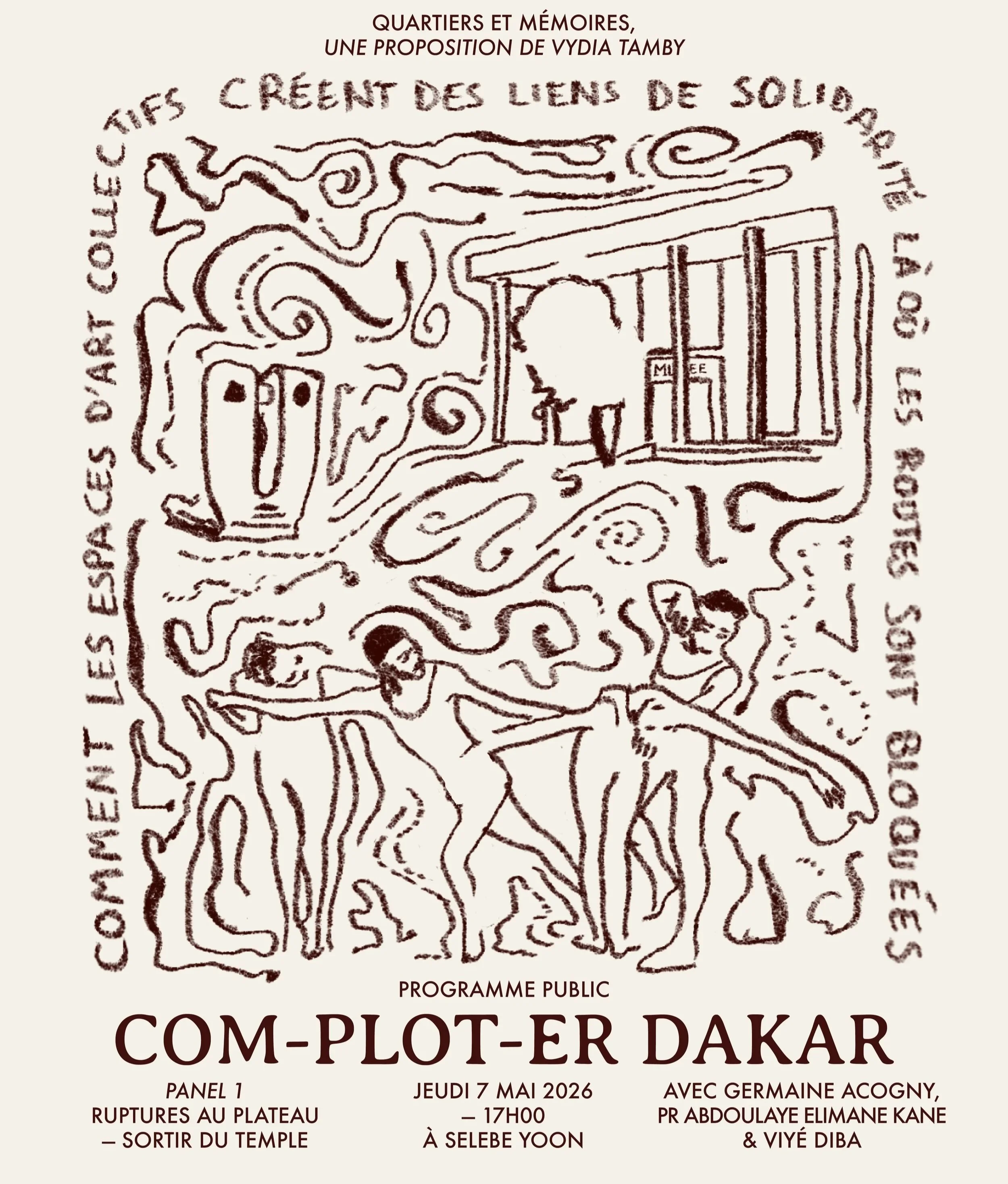
© Anna Diagne
COM-PLOT-ER DAKAR
How collective art spaces create bonds of solidarity where the conventional routes are blocked?
In Dakar, what ambitions shape contemporary artistic practices?
Can they develop the tools needed to inhabit the city and live better together?
This series of discussions explores how collectives and independent spaces invent ways of acting together where official structures recede.
The reflection draws on the idea of Plotform: a space that does not simply exhibit artworks, but becomes a driver of new urban narratives. To navigate a city that is often unpredictable, artists rely on Panya Routes (Kim Gurney, 2022). These are informal pathways—shortcuts born from everyday ingenuity—that make it possible to build networks of solidarity where conventional routes are blocked.
This approach is rooted in a history of profound transformations. In the 1960s, Senegal saw the emergence of major cultural institutions such as the École des Arts and the Musée Dynamique. The latter, conceived as a temple of culture, hosted landmark events such as the Pablo Picasso exhibition in 1972. Yet this academic framework was shaken by the spirit of May ’68, pushing artists to move beyond institutional walls and into the street.
In 1974, the Laboratoire Agit’Art marked a decisive rupture. The group rejected the idea of fixing art within museums, privileging instead improvisation and social life. Art became a raw force capable of transforming everyday experience. Other initiatives followed, such as the Mudra Afrique dance school and the Université des Mutants in Gorée, all oriented toward inventing a future grounded in the realities of the continent.
From the 1990s onward, as the state withdrew from cultural funding, art found refuge in neighborhoods. Collectives such as Huit Facettes Interaction extended artistic practice into rural areas, making human exchange itself the artwork.
Today, this spirit of resistance and sharing continues through various spaces grounded in an ethics of encounter. It involves inhabiting what some call “la tenue”: a space of presence where empathy becomes the true foundation of community. This is an aesthetics of dialogue in which the artwork is no longer an object to contemplate, but the human relationship one succeeds in building—where the transmission of knowledge is organized creatively and enacted through real, active engagement with communities.
The challenge for these collectives is to endure without losing their flexibility. Their strength does not lie in monuments, but in their embedded capacity to nurture ideas and sustain active support networks. By privileging “making together,” these actors sketch an architecture of the mind—free and sustainable—that can redefine the future of territories and those who inhabit them.
Panel 1 Ruptures in the Plateau: Exiting the Temple
Neighbourhood: Plateau / Fann Hock
This panel, featuring Germaine Acogny, Professor Abdoulaye Elimane Kane, and Viyé Diba, addresses the transition from the state monument to the artist’s spatial strategy. It frames the series through the foundational rupture marked by the transformation of the Musée Dynamique into a courthouse and the end of art as an instrument of state prestige, exploring how, in the face of this institutional void, the artist became their own architect.
For Viyé Diba, the discussion will focus on his theorization of reclaimed materials as an aesthetic of presence in conditions of scarcity. He will be asked whether the loss of the Temple and the Museum was a necessary liberation for Senegalese art to discover its own material language.
Germaine Acogny will be invited to reflect on how, with Mudra Afrique embedded within the monument, the body became the primary territory of sovereignty as institutional walls closed in.
Professor Kane will address the philosophical implications of the shift from Senghor’s cultural policy of the Universal toward a logic of survival and transition.
About this program:
The “Quartiers et mémoires” (Districts & Memories) cycle of conversations and encounters aims to evoke and highlight independent places, inhabited by artists-artisans individuals who have woven stories with those around them. Whether these spaces are recognized, neglected or destroyed, we aim to understand their crucial role as spaces for social gathering, creation and the definition of new aesthetics, both in history and in our contemporary times.
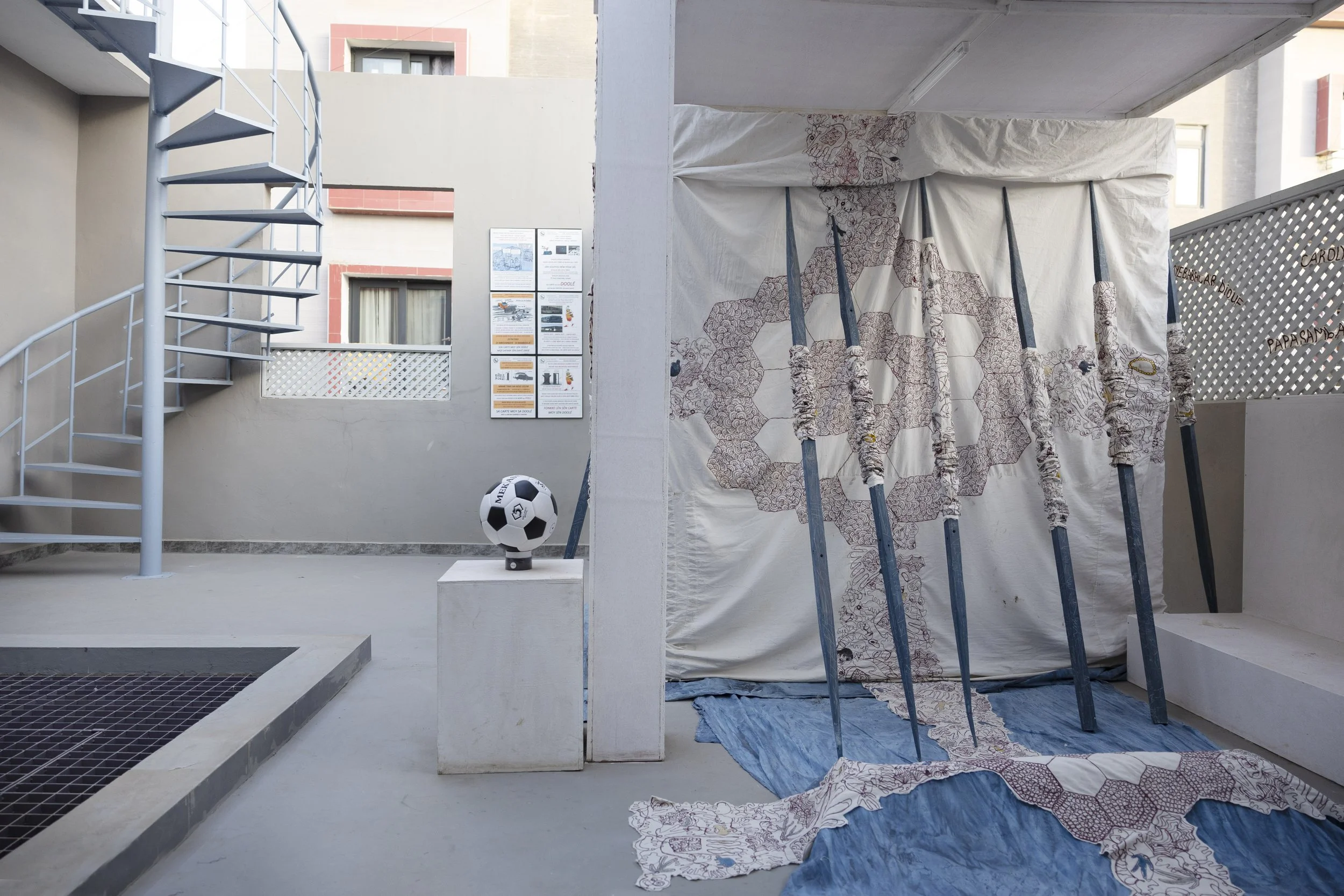
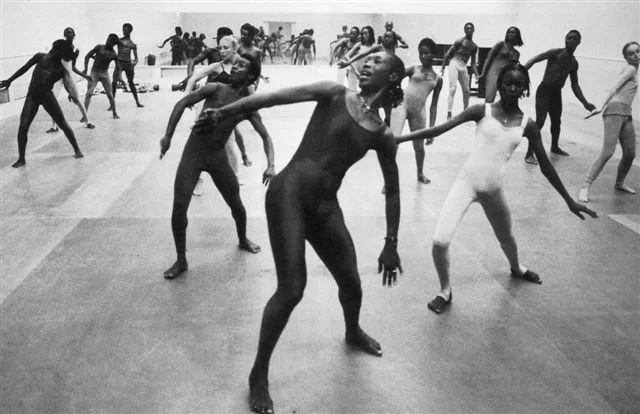
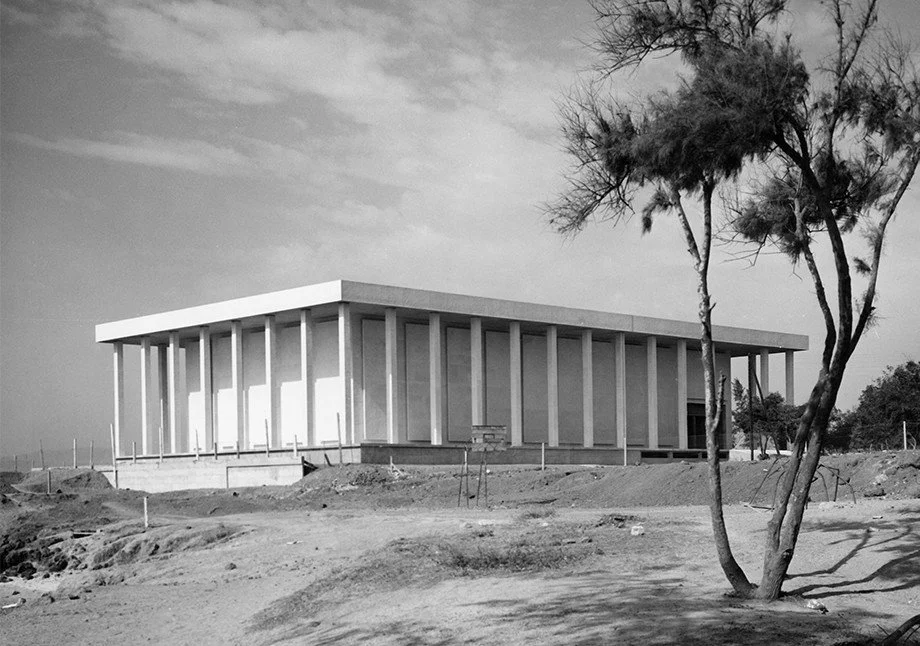
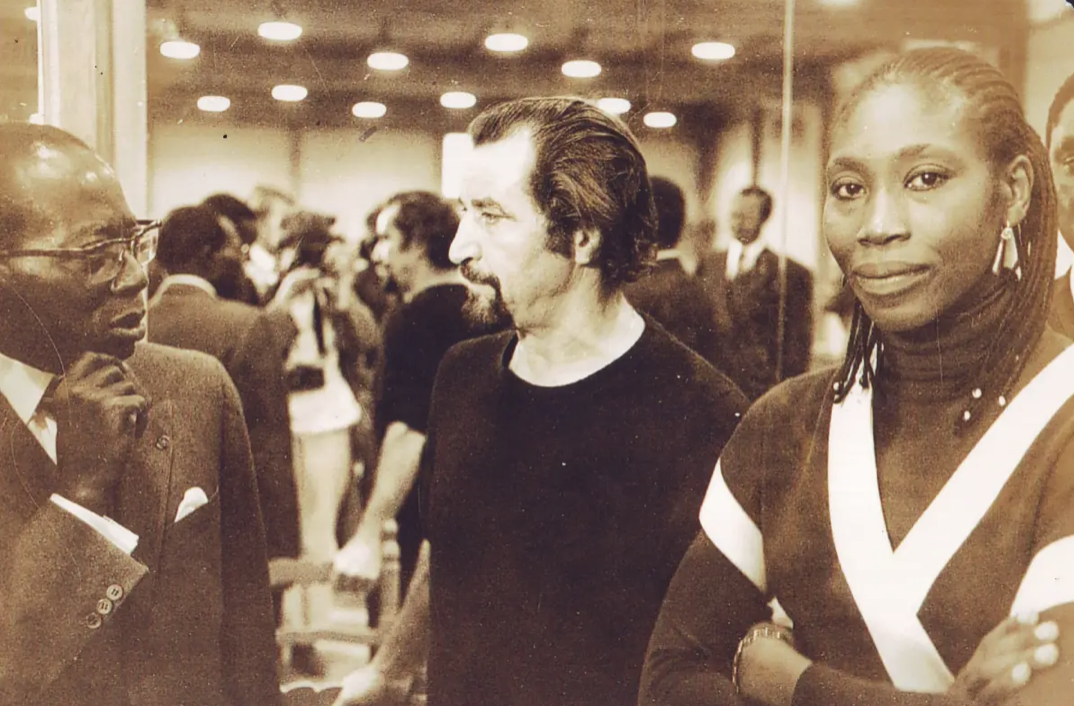
Credits: © Axelle de Russé Courtesy : Fonds Métis & Manifa & OH Gallery. / Cours de Germaine Acogny à Mudra Afrique, © F.C. Gundlach, année 1980 © 2024 École des Sables / Musée dynamique, Dakar, 1965–1966 © photographe inconnu, Photo Artis, Archives MEN / © Archives Ecole des Sables
Participants
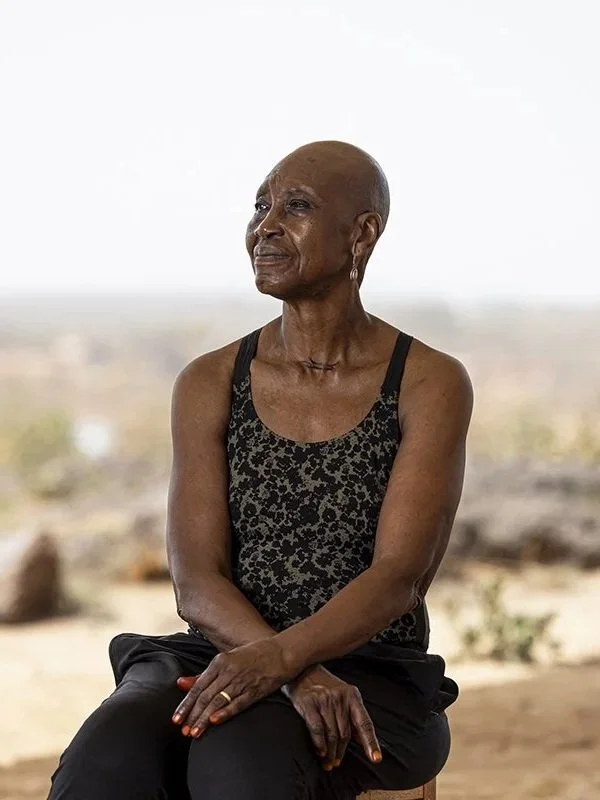
Germaine Acogny
Germaine Acogny is a Senegalo-French choreographer and dancer, often revered as the "Mother of Contemporary African Dance." Born in Benin in Porto Novo in 1944, a descendant of a Yoruba priestess, she has dedicated her life to developing a unique dance language that bridges traditional African movements with Western techniques (classical ballet and modern dance).
In 1977, Acogny was appointed artistic director of Mudra Afrique in Dakar, a school founded by Maurice Béjart and President Léopold Sédar Senghor. After the school’s closure in 1982, she moved to Europe, and opened the "Studio-Ecole-Ballet-Théâtre du 3ème Monde" in Toulouse with her husband, Helmut Vogt.
Her most important legacy is the École des Sables, an international center for traditional and contemporary African dances inaugurated in 2004 in Toubab Dialaw, Senegal. This school serves as a vital hub for African dancers to refine their craft and collaborate. Its dancers are invited to the most prestigious international scenes.
Throughout her career, Acogny has created powerful solos (such as Songook Yaakaar) and works for her company, Jant-Bi. Her contribution to the arts has been recognized with numerous honors, including the Commandeur des Arts et des Lettres in both France and Senegal, and the prestigious Golden Lion for Lifetime Achievement at the 2021 Venice Biennale.
© Photo: Patrick Meinhardt, AFP.
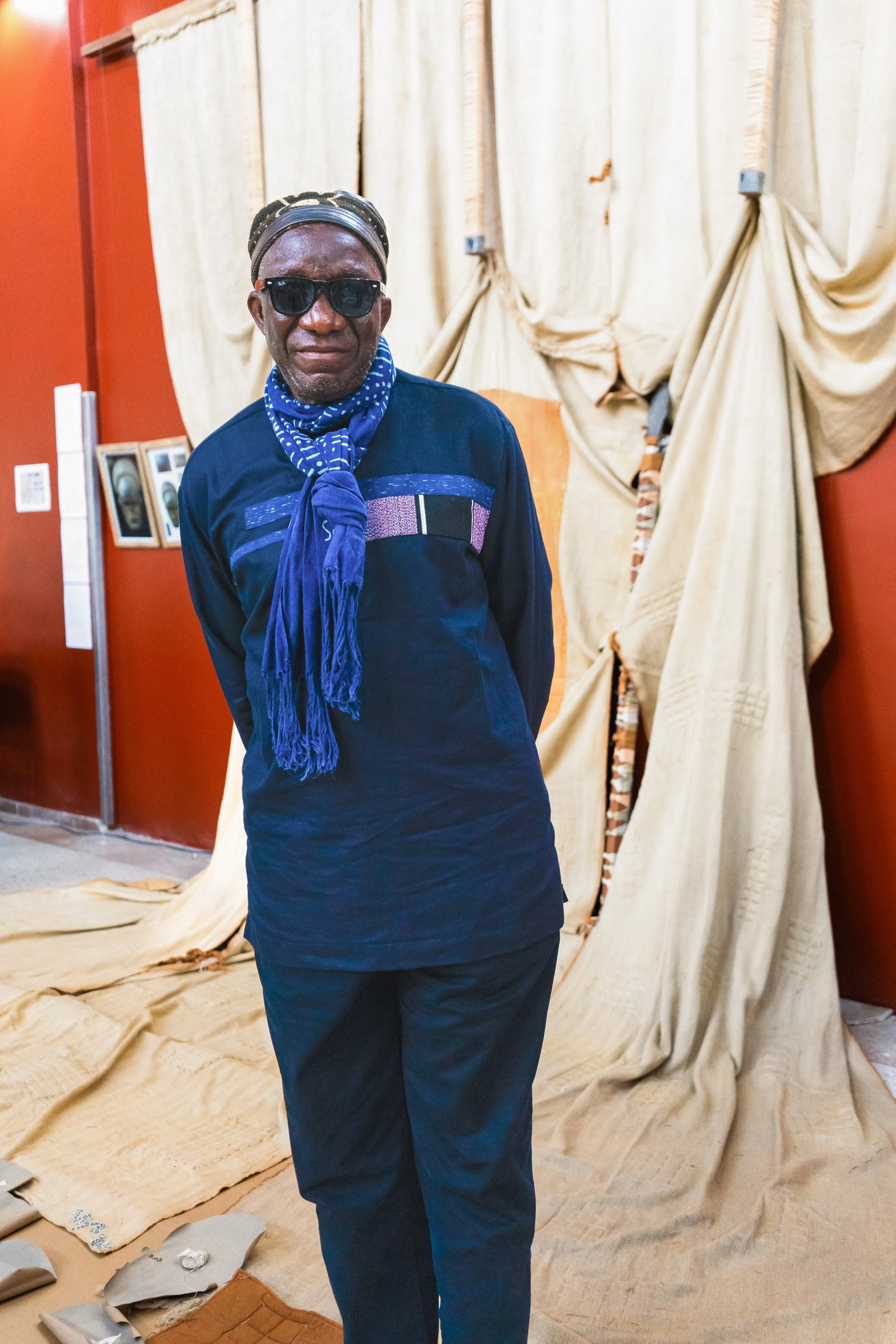
Viyé Diba
Viyé Diba is a Senegalese visual artist whose practice combines research and social engagement. Trained at the École Normale Supérieure d’Éducation Artistique in Dakar, he dedicated his thesis there to the use of environmental materials in art education before continuing his training in Nice.
His work, ranging across painting, sculpture, and installation, relies on recycled materials and symbolic textiles such as rabbal, a hand-woven cotton used for the deceased. He explores volume, mass, and texture within an aesthetic rooted in social and ecological realities.
Winner of the Grand Prix Léopold Sédar Senghor at the Dakar Biennale in 1998, Diba embodies the "Third Voice" movement, within a decolonial, identity-focused, and Pan-Africanist perspective. A teacher at the École Nationale des Arts in Dakar, he has trained several generations of artists. His works have joined major international collections, including the Smithsonian, the Peabody Essex Museum, the Fowler Museum, and the Centre Pompidou.
His work has been presented in numerous international exhibitions, notably at ifa Stuttgart as part of Survival Kit, at Art Basel with OH GALLERY in 2024, as well as at Talking Objects Lab at the Musée Théodore Monod in Dakar in 2023 and then in Berlin in 2024. His work was also included in Prête-moi ton rêve between Abidjan, Dakar, and Casablanca from 2019 to 2020, Africa Now at the Fowler Museum and the Metropolitan Museum of Art in 2009, documenta 12 in Kassel in 2007, as well as the 1er Salon des arts du Sénégal at the Musée Dynamique in Dakar in 1985.
Viyé Diba lives and works in Dakar and continues to contribute actively to the international art scene while developing a space for creation and research in Dakar, Manifa, since 2022.
© Photo: BU UCAD, Courtesy OH Gallery.
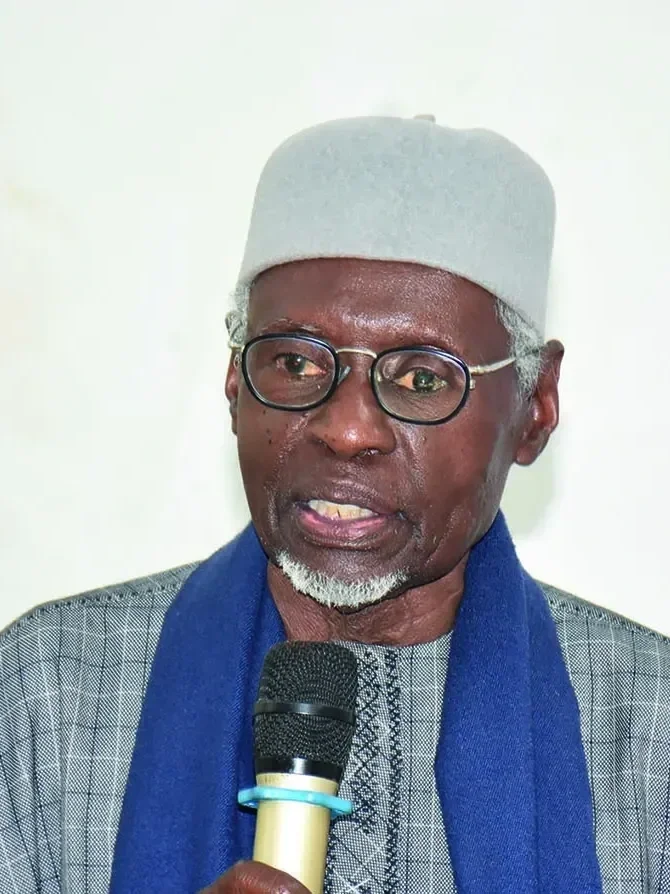
Prof. Abdoulaye Elimane Kane
Abdoulaye Elimane Kane is a university professor. He taught philosophy at the Lycée Blaise Diagne in Dakar from 1970 to 1977. He later became General Inspector of Philosophy. From 1987 to 1989, he headed the philosophy department at Cheikh Anta Diop University in Dakar.
He joined the senior administration in 1989 as Chief of Staff to the Minister of National Education. In 1990, he became a technical advisor to President Abdou Diouf. He served as Minister of Communication from 1993 to 1995 and as Minister of Culture until 2000. Abdoulaye Elimane Kane writes stories, novels, and essays. He published Le Prince Malal, La maison au figuier, and Les Dissidents. His essays focus on philosophy, numbering systems, and the history of the Socialist Party. He contributes to the journals Éthiopiques and the Senegalese Journal of Science and Philosophy. He is a founding member of the Academy of Religious, Social, and Political Sciences.
Senegal named him a Knight of the National Order of the Lion in 1993. France named him a Knight of Arts and Letters in 1996. In 1999, Italy awarded him the title of Grand Officer of the Order of Merit.
© Photo: Abdoulaye Elimane Kane.
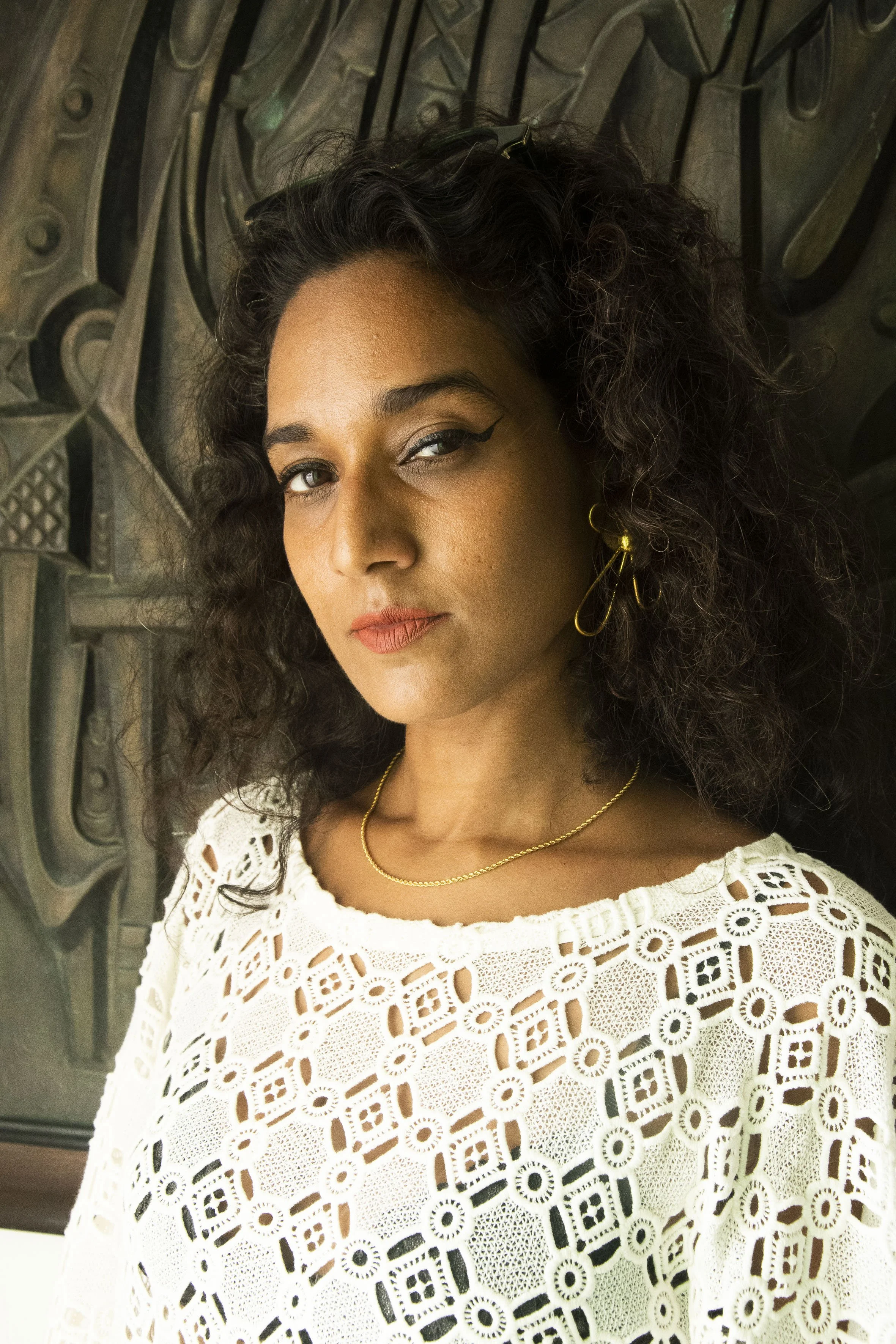
Vydia Tamby
Vydia Tamby is an influential figure of the Senegalese cultural scene, holding the position of Cultural Advisor to the Mayor of Dakar and serving as a publisher at Éditions Vives Voix, a publishing house she co-founded in 2009 with Ghaël Samb Sall. Holding an advanced degree in publishing from France, she is committed to promoting African culture and literature through publications that combine aesthetics and literary quality, as evidenced by their first work, *Dakar Émoi*. Under her leadership, Vives Voix strives to preserve and enhance the cultural heritage of Senegal and the African continent by providing a platform for artists and authors for collective creations. Furthermore, Vydia Tamby is a consultant in cultural project engineering and a founding member of the African Capitals of Culture, as well as the Secretary General of Africapitales. In response to the urgent need to preserve African memories, she also initiated the African Archives Fund, dedicated to the safeguarding and promotion of the continent's cultural archives. Through her actions, Vydia Tamby contributes significantly to the cultural dynamics and the archiving of knowledge in Africa, creating bridges between generations and artistic disciplines.
© Photo: Vydia Tamby.