Naomi Lulendo
LUMEN

Naomi Lulendo
LumenNovember 6th, 2026– March 27th, 2027
Opening November 18, 2026 6pm-9pm
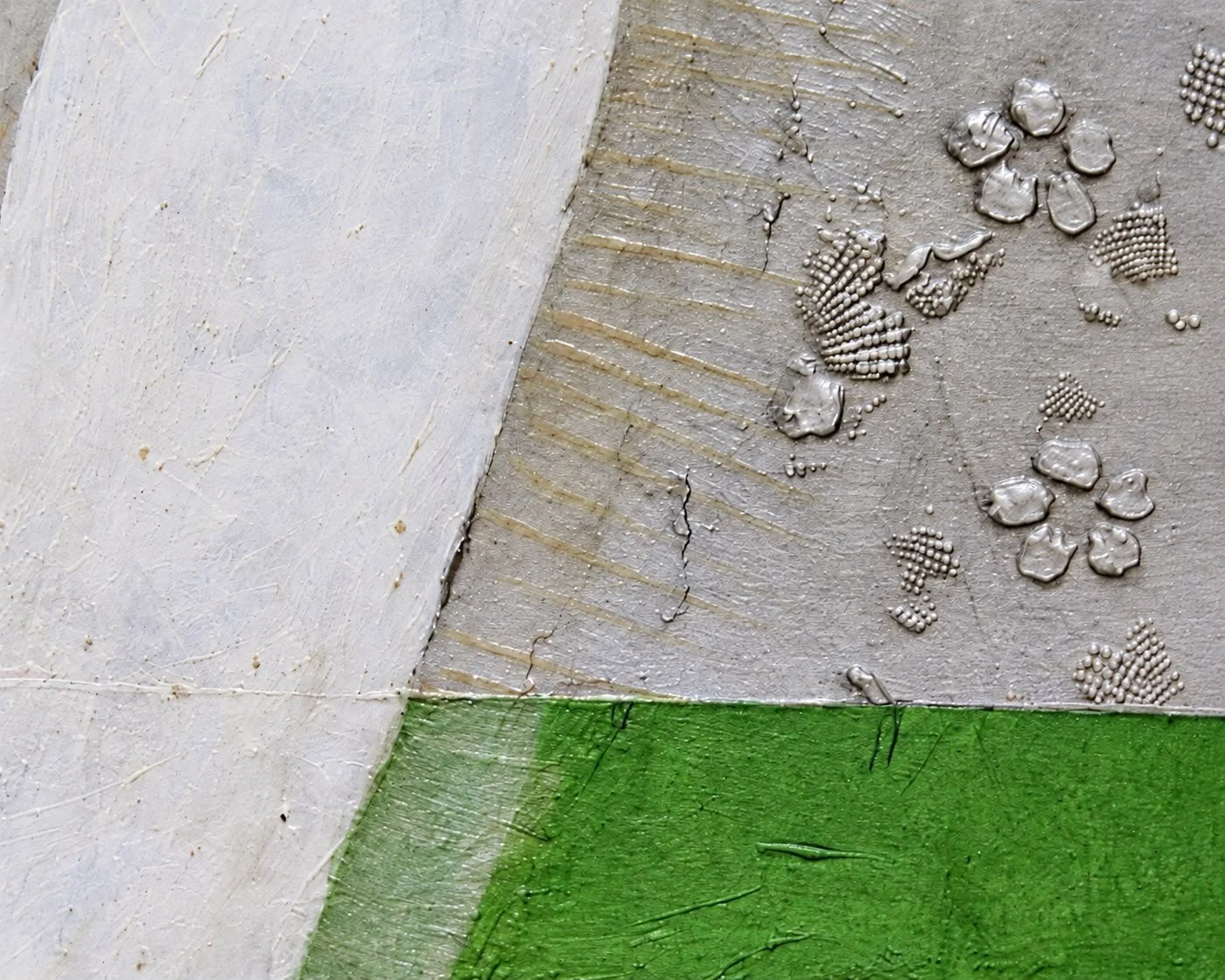
Selebe Yoon is pleased to present Lumen, a solo exhibition of new paintings by Naomi Lulendo on the occasion of the 16th Dakar Biennale. Taking its title from the Latin word for “light,” Lumen considers light as both an intimate, sacred experience and a physical, chromatic phenomenon. Composed of multiple units, the paintings reveal interior spaces poised between physical architecture and dreamlike apparitions. Each fragment evokes a window or passage connecting the enclosed, intimate realm to the outside world and to nature. Throughout the works, light appears as a divine intrusion.
Two major paintings echo one another: Nigra sum et formosa (“I Am Black and Beautiful”1) and Pulchra ut Luna (“Beautiful as the Moon”). Their Latin titles, drawn from the biblical Song of Songs, invoke a mystical, transcendent love. In the first, a central column, barely distinguishable from the background, structures the domestic space. With its Baroque contours, it recalls the figure of the potomitan in the artist’s practice: both the woman as a pillar in Creole culture and the central supporting column of Vodou temples. An opening onto an elsewhere extends into the second painting, where the exterior becomes a portal of light. Here, the column-caryatid takes on a bodily presence, crowned by a luminous halo. Evoking the celestial rhythms of dawn and dusk, the works trace an alchemical and chromatic transformation from darkness into light, linking the metamorphoses of matter to a spiritual journey embodied by the radiant female figure in the second painting.
Moving from dark, matte pigments to pearlescent highlights, these works also explore chiaroscuro (clair-obscur) in both its chromatic dimensions and its racial resonances. Black unfolds through a multiplicity of hues, shades and textures, revealing its capacity to reflect light, while white emerges as a dazzling tension. The choice to translate Nigra sum et formosa as “I Am Black and Beautiful” affirms a continuity between Blackness and beauty. The interiors thus acquire a bodily dimension, granting Blackness a sovereign presence.
Directly informed by the compositions of the Saumur tapestries, in which several spaces coexist on a single surface within predominantly vegetal settings, Lulendo introduces floral motifs that carpet the floors of her paintings. This textile covering echoes the floral fabrics from India that shaped European interiors through commercial and colonial expansion. The domestic space is also explored through the presence of carpets in three further works titled Triptych of Paradise. Here, Naomi Lulendo examines allegories of an imagined nature, composing an Arcadia shaped by the tension between the ideal garden and the enclosed space—a tension inscribed in the Persian etymology of the word “paradise.” Like Persian carpets, the framed canvas opens onto a celestial world: a space that suggests infinity while remaining contained within tangible boundaries. The carpet’s multiple functions—as an everyday object, a place of sociability and a means of demarcating sacred space—reveal how a single entity can hold and move between different meanings.
Drawing on representations of nature in classical European painting and in Persian and Caribbean visual traditions, the works compose a syncretic universe in which visual languages, bodies and architectures enter into dialogue. Christian iconography intertwines with symbolic and formal references to the natural world, nourished by the artist’s maternal ties to Guadeloupe, alongside motifs drawn from Indo-Persian worlds. Here, forms change status: the column becomes a body, the interior becomes a landscape, the carpet becomes a garden. These semantic and symbolic variations open up questions of representation and the imaginaries that inhabit it.
The artist deliberately chooses this translation to counter the phrase Nigra sum, sed formosa, historically translated as “I am Black but beautiful,” which conjunction reveals a racial bias by placing Blackness and beauty in opposition
© Text copyright: Selebe Yoon
November 6th, 2026– March 27th, 2027
Artist’s biography
Naomi Lulendo
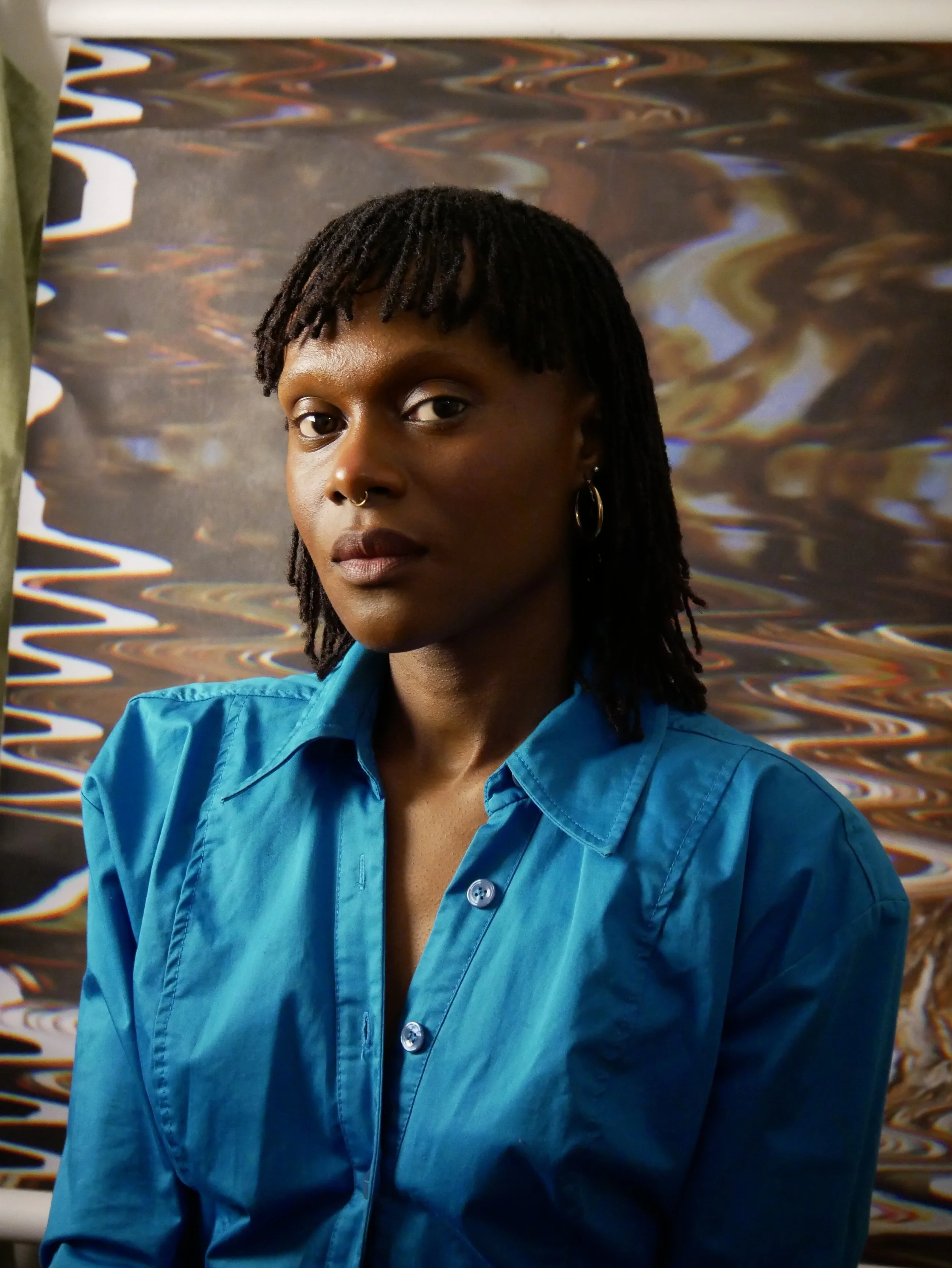
© Inès Lulendo
Naomi Lulendo (b. 1994) is a French-Guadeloupean-Congolese interdisciplinary artist. Her work takes shape in puzzle, painting, photography, installation and performance, and borrows from the aesthetics of manufactured objects, the series or the fragment. She holds a DNSEP from the Beaux-Arts de Paris (2018) and a Post-Diploma in Art and Research studies at ENSBA Lyon (2025), directed by Oulimata Gueye.
Her artistic approach involves the articulation of different forms of expression and representation, such as architecture, design, the body, mysticism and esotericism. Words, which play a central role in her work process, function as materials for thought, enabling her to employ strategies such as détournement, play, hidden meanings and the fabrication of identity. The images and symbols she inventories from various geographical and/or historical spaces function as tools for exploring the link to a given territory, whether continental, insular, real or fantasised.
Often drawing parallels between the body as a surface and geographical space as intimate cultural and social spaces, Naomi Lulendo questions the relationships between what we ingest and digest, what passes through us, absorbs us or trans-ports us. Each subject she tackles is the subject of complex reflections that attempt to confront scales and points of view, heritages and mythologies, in syncretic forms where everything responds and corresponds.